
Looming 5-week scramble has DC bracing for Supreme Court fireworks
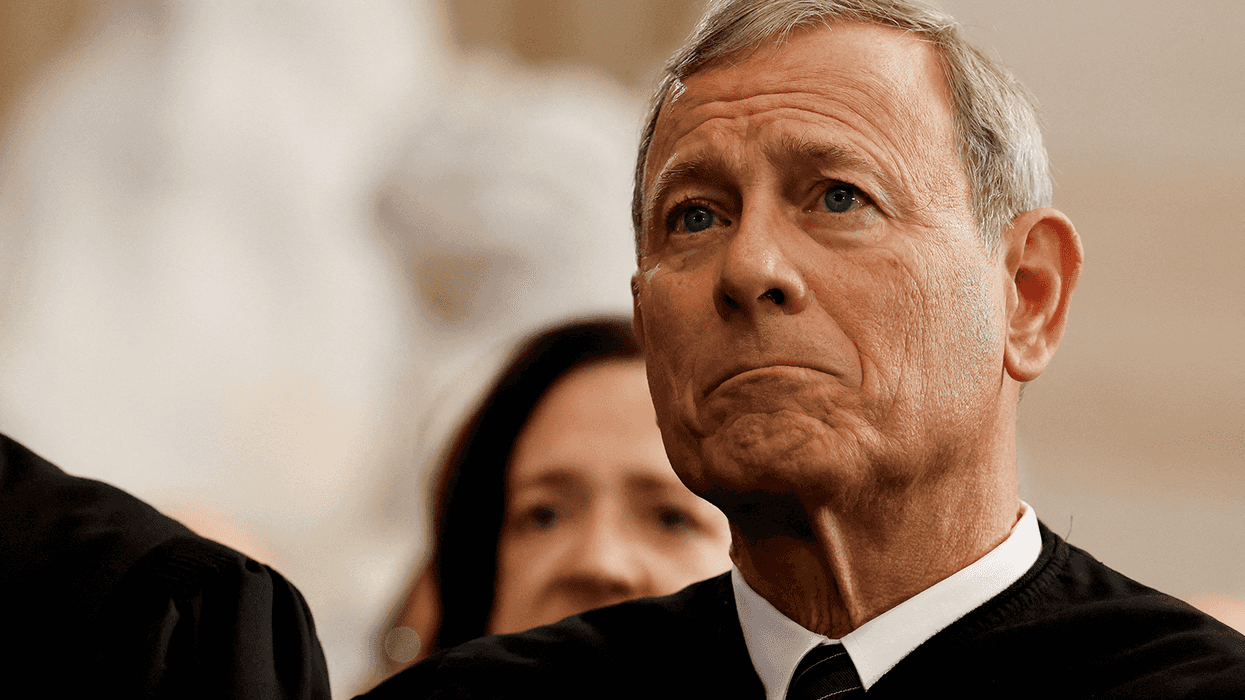

Senate Republicans are privately coordinating a high-stakes legislative strategy to rapidly confirm a Supreme Court nominee in the event of an unexpected vacancy during the post-election lame-duck session. The aggressive blueprint targets the brief five-week window between the November 3, 2026, midterm elections and the swearing-in of the next Congress in early January 2027.
The primary catalyst for this emergency operational planning is the highly competitive battle for control of the upper chamber. Current polling indicates that the Senate majority is entirely up for grabs. If Democrats successfully capture the Senate, any future high-court vacancies under President Donald Trump would likely face immediate gridlock or outright blockades once the new session begins. Consequently, Republican leadership views the lame-duck period as their final, critical window to guarantee the confirmation of a conservative justice.
According to original reporting from Politico, top Republicans have openly committed to executing a rapid confirmation pipeline if a vacancy emerges.
Senate Majority Leader John Thune affirmed that the caucus would "proceed quickly" to fill any empty slot.
Senate Judiciary Chair Chuck Grassley similarly stated that Republicans would "of course" push forward, echoing the sentiment that a majority should be utilized while it is held.
Congressional historical data highlights how unprecedented such a move would be. A post-election retirement during a lame-duck session has not occurred since Supreme Court Justice Mahlon Pitney stepped down in 1922. However, Republican lawmakers point to a more modern precedent for compressed timelines: the 2020 confirmation of Justice Amy Coney Barrett, which was successfully finalized just 38 days after the passing of Justice Ruth Bader Ginsburg.
Political scrutiny has naturally focused on the two oldest conservative stalwarts on the bench: Justice Clarence Thomas (78) and Justice Samuel Alito (76). While conservative legal circles and activists have quietly pressured both men to retire while a Republican Senate majority is guaranteed, neither justice has shown any inclination to step aside.
In fact, the immediate necessity of this legislative plan was heavily dialed back following exclusive reporting from Bloomberg News, which revealed that Justice Alito has formally ruled out a lame-duck retirement. Speaking in a sit-down interview, Alito explicitly declared, "I intend to stick around through this term," cementing his intention to remain on the bench until at least June 2027. Alito pushed back strongly against external political pressures, arguing that treating the judiciary like an interchangeable "cable news panel" damages institutional legitimacy. Meanwhile, Justice Thomas has remained entirely silent regarding any imminent retirement plans.
Despite Alito’s clear refusal to step down, the revelation of the GOP's 5-week emergency plan underscores the deep ideological fracturing currently defining Washington. As detailed by The Washington Post, the high court currently maintains a robust 6-3 conservative supermajority.
The preemptive defense of this majority highlights how both political parties view Supreme Court seats as vital components of long-term policy warfare, particularly as public trust in the court hits historic lows. While the hypothetical "nightmare scenario" may not materialize this winter, the readiness of Senate leadership proves that both sides are fully prepared for a volatile judicial war at a moment's notice.

