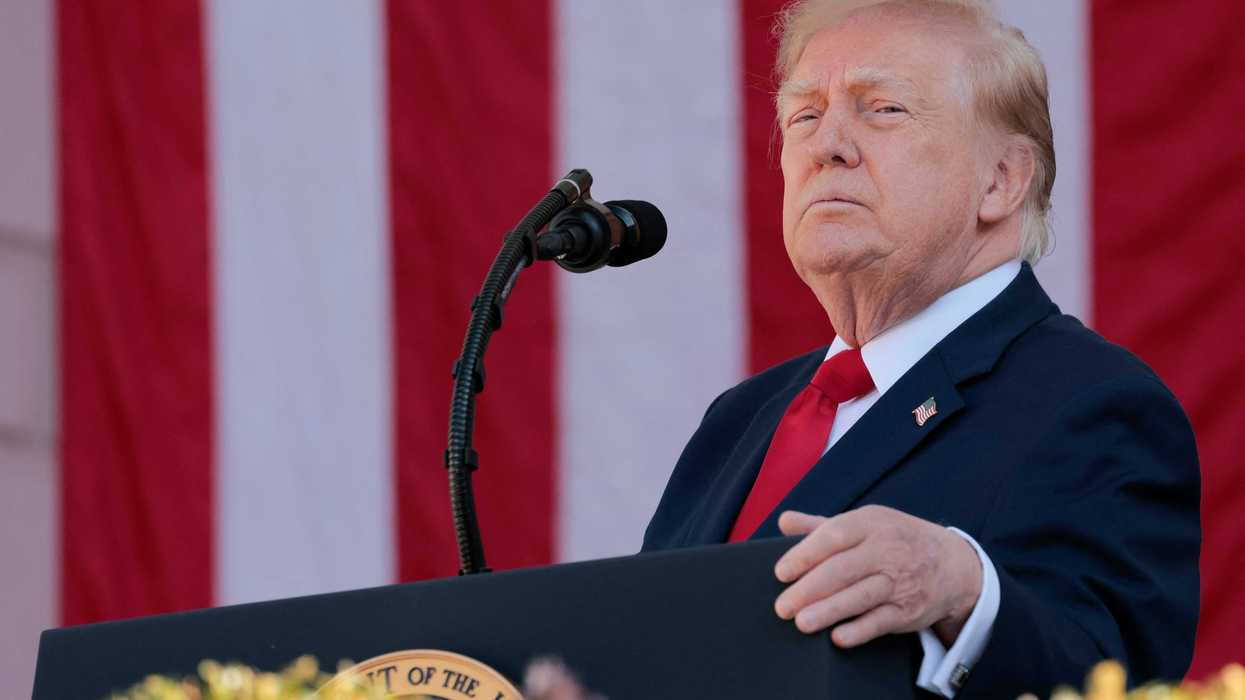
Following a historic midterm election collapse that handed control of Congress back to the Democrats, the Republican Party is hurtling toward a fierce internal reckoning over the future of the MAGA movement and President Donald Trump’s leadership. According to a new report from The New York Times, longtime strategist and podcaster Stephen K. Bannon is warning that the brewing ideological fight inside the GOP is nothing short of an all-out war.
“We’re having a civil war inside the Republican Party,” Bannon told the Times. “People should strap in.”
While Trump has maintained a tight hold on the Republican base for a decade, his sweeping midterm defeat—driven heavily by voter frustration over the U.S. war with Iran, soaring gas prices, and lingering inflation—has emboldened some of his highest-profile allies to break ranks. Over the past year, several prominent figures who helped build and fund the MAGA coalition have publicly distanced themselves from the president:
- Elon Musk, who poured massive sums into backing the movement, declared earlier this month that “I’m not MAGA.”
- Tucker Carlson, once one of Trump’s fiercest media defenders, has left the party and accused the president of committing a “profound betrayal” of MAGA principles.
- Former Rep. Marjorie Taylor Greene of Georgia also exited the party over the Iran conflict, while defeated Colorado Rep. Lauren Boebert—a longtime loyalist—argued that Trump’s decisions had directly hurt her voters.
Bannon, who opposed the war in Iran, framed the midterm wipeout not as a rejection of populism, but as proof that the administration failed to deliver on its core promises. He argued that voters were demanding a “populist, nationalist agenda” that was “not aggressively pursued” during the first two years of Trump’s second term, pointing to the post-election elevation of immigration hard-liner Stephen Miller to White House chief of staff as a sign that Trump recognizes the need to pivot. Still, staunch loyalists like defeated Wisconsin Rep. Derrick Van Orden pushed back, saying he was “disgusted” by Republicans criticizing the commander-in-chief.
At the same time, the fallout is already reshaping the 2028 presidential race Potential contenders are scrambling to position themselves on foreign policy and the economy without completely alienating the MAGA base. Vice President JD Vance—widely viewed as a potential heir to the movement—frustrated Trump by publicly pointing to the Iran war as a primary driver of the party’s losses. Florida Gov. Ron DeSantis accused Republicans of “gaslighting” voters over war-driven price hikes, while Texas Sen. Ted Cruz remarked on his podcast that the conflict “should have been brief, decisive and over.”
Those sudden shifts drew sharp pushback from former New Jersey Gov. Chris Christie, another potential 2028 hopeful, who dismissed the critiques from Vance, DeSantis, and Cruz as pure “opportunism” after years of backing the president. Christie warned that nominating anyone tied to the current administration in 2028 would lead to another blowout defeat. Meanwhile, outgoing Nebraska Rep. Don Bacon blamed Trump’s tariffs and rhetoric for the losses, predicting a fierce “debate for the soul of the party” between populist figures like Vance and more traditional hawks like Secretary of State Marco Rubio.
With two years left in Trump’s second term, battles over the party chairmanship, congressional strategy, and the 2028 nomination are set to test whether MAGA can survive without the president’s unchallenged command.