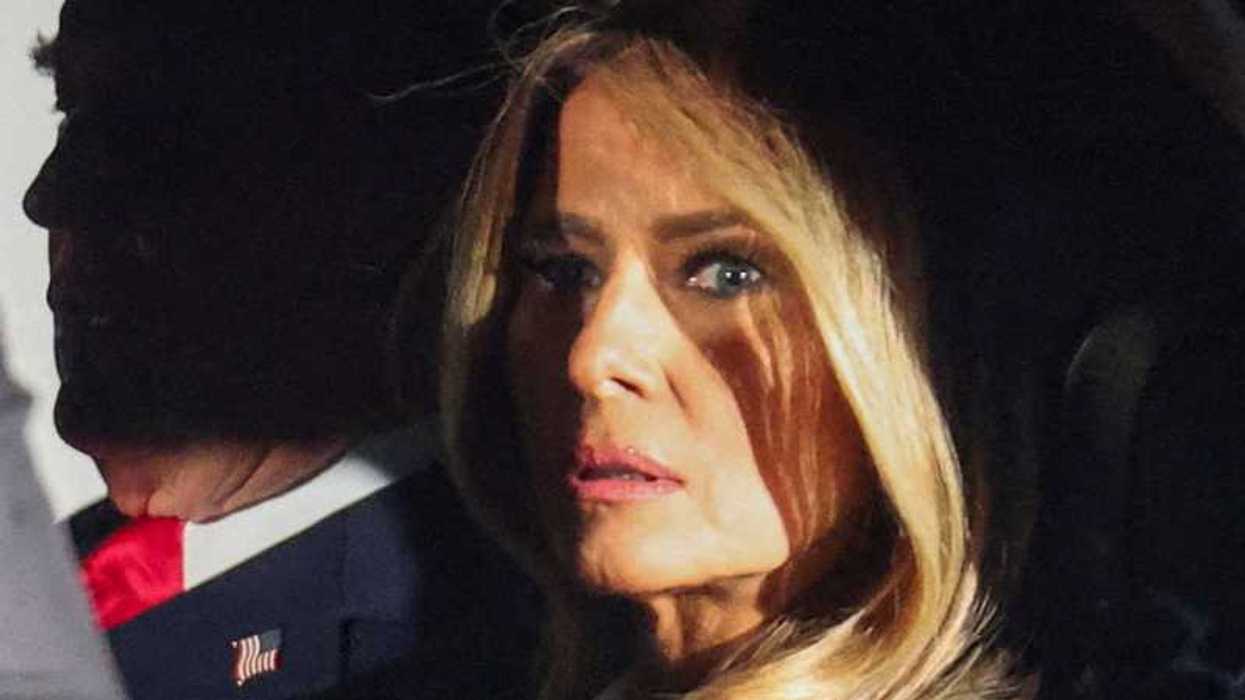
Americans risk exposure to anti-parasite drugs and banned antibiotics in chunks of years-old, potentially rotten meat following a White House meeting involving a controversial friend of Melania Trump’s, according to a recent analysis.In an opinion piece published by The New York Times, Eric Schlosser, the acclaimed author of the book Fast Food Nation, issued a stark warning regarding President Donald Trump’s directive to import 660 million pounds of inexpensive beef trimmings.
Schlosser characterized the incoming shipments as the epitome of generic, industrial "mystery meat." He noted that these small frozen chunks are often held in foreign cold storage for years before being mixed into massive commercial grinders alongside cattle pieces from multiple nations—primarily destined for fast-food hamburgers.
Schlosser argued that sourcing meat from countries with loose processing standards poses profound public health risks:
- Uruguay: Shipments have previously been rejected due to residues of dangerous anti-parasitic drugs.
- Argentina: Beef exports have repeatedly tested positive for a banned antibiotic linked to severe human blood disorders.
- Brazil: As the world's top beef exporter, Brazil has faced immense food safety scandals. In 2017, federal police raided nearly 200 meatpacking plants amid allegations that officials were bribed to approve the sale of contaminated meat. Investigations revealed rotten meat was treated with ascorbic acid to mask foul odors before being distributed to schools, hospitals, and foreign buyers.
The tariff-free policy allows up to 300,000 metric tons of foreign beef into the country over a 90-day window, a strategy the White House claims will combat rising grocery costs. However, critics point out that the policy bypasses typical country-of-origin labeling laws, leaving consumers entirely in the dark.
Reporting from journalists Maggie Haberman and Jonathan Swan highlights that the policy closely followed private White House meetings with Joesley Batista, a billionaire whose family controls JBS, the largest beef producer in the world. Batista—previously deemed persona non grata in Washington due to past corporate bribery scandals in Brazil—secured access to the administration largely due to his longstanding friendship with Melania Trump.
Notably, a JBS subsidiary also contributed $5 million to the president’s second inauguration.Economic and Consumer BacklashRather than lowering grocery bills, the economics of the deal are expected to squeeze independent domestic farmers while padding the profits of multinational meatpackers and fast-food giants. The policy has triggered intense pushback from industry groups like the U.S. Cattlemen's Association, who argue the flood of subsidized foreign meat undermines domestic ranching families.
To avoid contaminated or unlabelled industrial meat supply chains, Schlosser advises consumers to sidestep generic supermarket grinds entirely. Instead, he recommends buying distinct cuts of American beef from local butcher shops and requesting them to be ground on the premises, or simply grinding the meat at home.