
CNN’s Tapper issues fact-checks Trump’s defense chief over 'leak' conspiracy theories
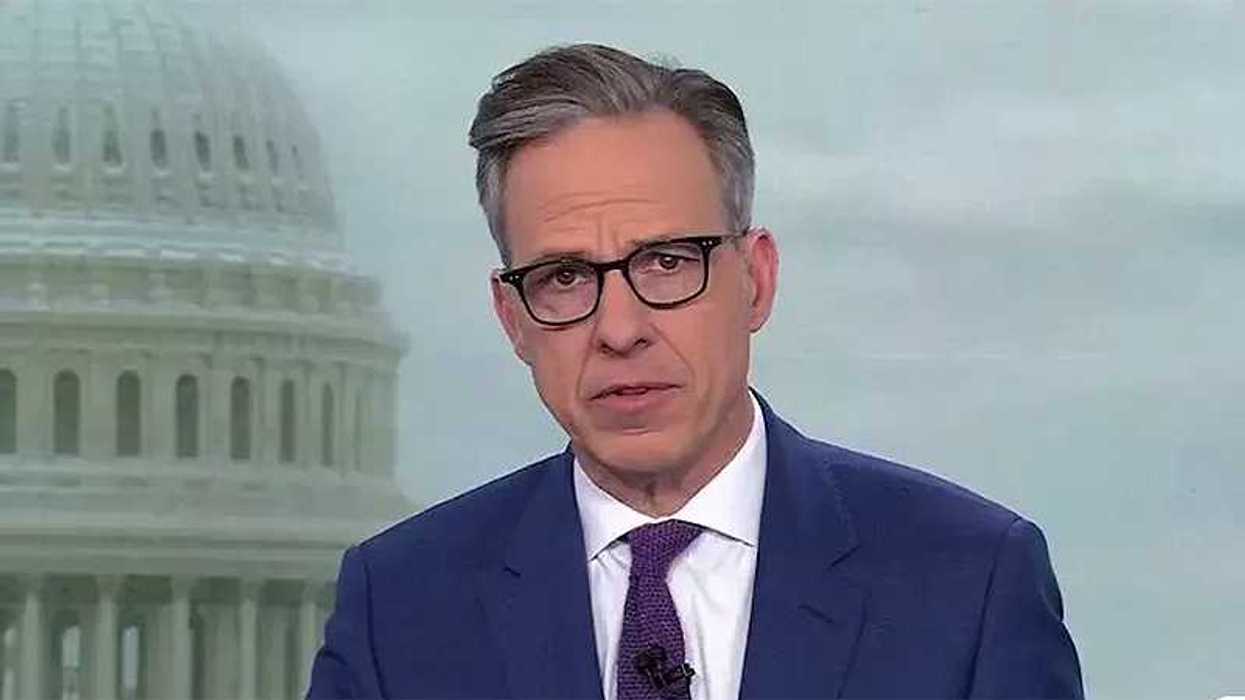
CNN host Jake Tapper (Photo: Screen capture)
CNN host Jake Tapper (Photo: Screen capture)

CNN host Jake Tapper (Photo: Screen capture)
CNN's Jake Tapper issued a strong fact-check after claims from President Donald Trump's secretary of defense alleged there were people leaking information from the department.
According to Secretary Pete Hegseth, leaks put their brave American soldiers in danger.
"I have delegated tasking authority to the [Department of Defense's] Office of General Counsel, empowering OGC to request and receive all information, records and support across the department concerning media leak investigations," Hegseth said in an X video.
Tapper responded with, "I know of one leak that put our brave pilots at risk!"
He posted a link to the full inspector general's report revealing that Hegseth used the Signal app to leak classified information to his family outside the Pentagon.
He specifically quoted the significant finding that "The Secretary sent nonpublic DOD information identifying the quantity and strike times of manned U.S. aircraft over hostile territory over an unapproved, unsecure network approximately 2 to 4 hours before the execution of those strikes. Using a personal cell phone to conduct official business and send nonpublic DOD information through Signal risks potential compromise of sensitive DoD information, which could cause harm to DOD personnel and mission objectives."
The full report also had screen captures of the secretary's message that outlined every detail about conditions and the mission ahead of the U.S. strike in Yemen against Houthi rebels.
Hegseth risked "endangering U.S. troops by using the Signal messaging app to share military plans before the first attack in Yemen," the IG ruled.
Tapper went on to cite the reports finding that "if this information had fallen into the hands of U.S. adversaries, Houthi forces might have been able to counter U.S. forces or reposition personnel and assets to avoid planned U.S. strikes…”
“Even though these events did not ultimately occur, the secretary’s actions created a risk to operational security that could have resulted in failed U.S. mission objectives and potential harm to U.S. pilots," Tapper added from the report.
"Some call them whistleblowers. When they’re alerting the public to government lies and malfeasance, for instance," Tapper later added.
To leak sensitive national defense information is to betray our warriors and put them in danger.
That’s why the @DEPTOFWAR and @THEJUSTICEDEPT have created a joint task force to IDENTIFY AND PROSECUTE LEAKERS. pic.twitter.com/pMqXuo21Mm
— Secretary of War Pete Hegseth (@SecWar) July 13, 2026

