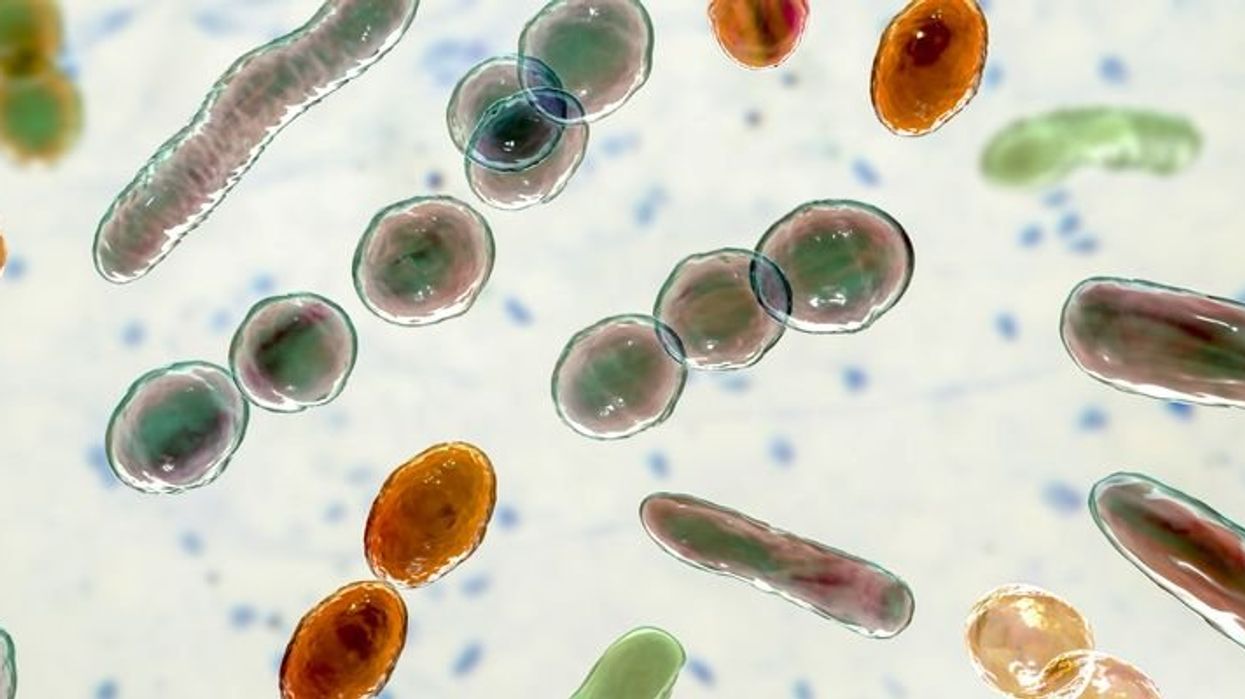
A flesh-eating bacteria known as Vibrio was discovered all over Long Island — and authorities are issuing warnings about it.
Causing the disease vibriosis, people infected with Vibrio can suffer symptoms including nausea, diarrhea, cramps, nausea, chills and sometimes even death, according to Grist. On average there are 80,000 cases of vibriosis each year, with roughly 100 fatalities.
“Vulnificus is so potent it can squeeze through a pinhole-sized cut in the skin and lead to death in just 24 hours,” Grist explained. “In the last five years, the CDC registered 429 such vulnificus cases, plus 136 foodborne cases. But even though foodborne cases are less numerous, the patients that contract vulnificus by eating contaminated shellfish are more likely to die than those infected via open wounds. Thirteen percent of those nonfoodborne cases died, compared to 32 percent of people who got the infection from eating seafood. Most cases occur in the Gulf and Atlantic coastal regions.”
Grist added, “As far as infectious diseases go, vulnificus is exceedingly rare: The CDC reports between 150 and 200 cases a year. The sexually-transmitted disease chlamydia, by comparison, one of the most common bacterial infections in the U.S., infects northward of 1.5 million Americans annually. But vulnificus’ astonishing speed and high fatality rate — 15 to 50 percent, depending on the health of the person exposed and the route of infection — makes it a unique public health threat, particularly as climate change grows its pathways of exposure.”
The pathogen, which was discovered on Sagaponack Pond, Mecox Bay and Georgica Pond on the South Fork, is thriving because of algae blooms, nitrogen runoff and climate change.
“We see Vibrio as the indicator for climate change,” Kyle Brumfield, a microbiologist at the University of Maryland who has been studying the bacteria for a decade, told Grist. “We can use the presence of Vibrio and Vibrio cases as a proxy for water health in general.”
Stony Brook University professor Dr. Christopher Gobler, an ecologist in the School of Marine and Atmospheric Sciences, said during a public briefing on the matter that this is a “very, very serious infection” and Long Island locals should exercise caution.
“Bacteria known as vibrio vulnificus, also known by the [Centers for Disease Control and Prevention] as a flesh-eating bacteria, is present and a risk in our waters,” Gobler said at the time. “It’s a very, very serious infection, it gets into open wounds — people who are infected with this bacteria have a 20% chance of dying within just 48 hours.”
Because there are many locations that could be impacted, Gobler urged the public to avoid potentially contaminated areas.
“If someone’s immunocompromised, or elderly and they have open wounds in summer, you may want to stay out of the water,” Gobler said.