
Groups that counsel Conscientious Objectors see uptick in calls from US soldiers
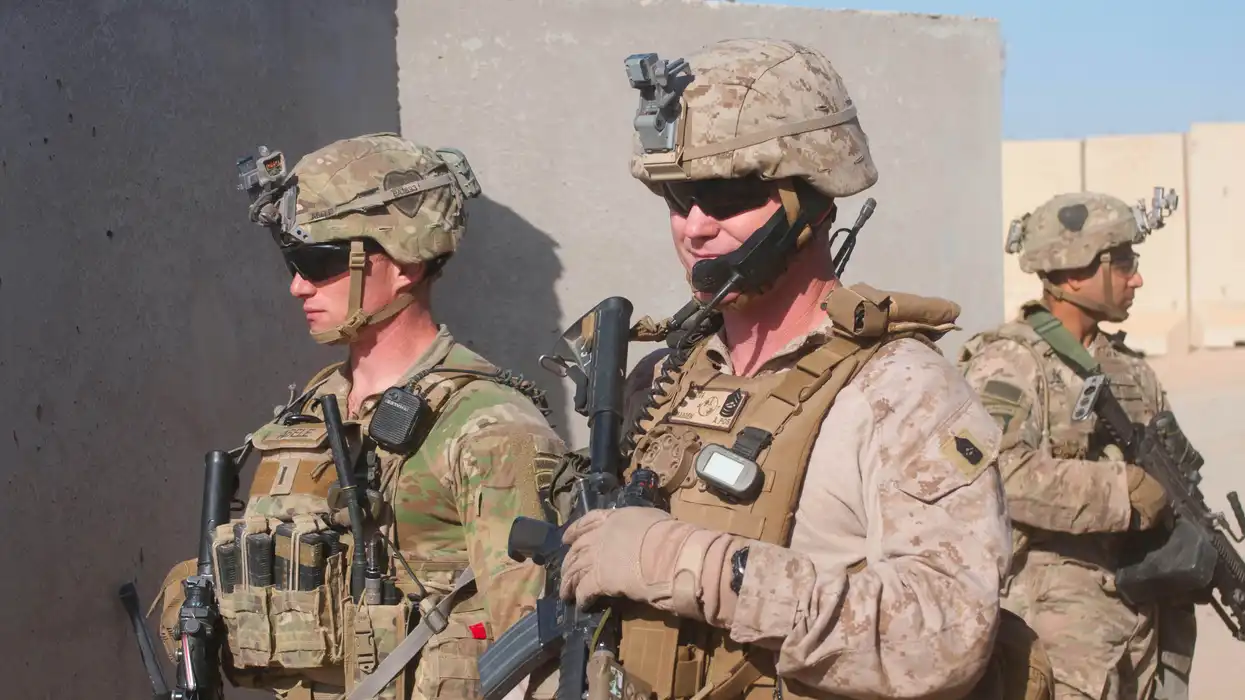
(U.S. Army photo by Sgt. Paul Sale/Released) (Photo by Sgt. Paul Sale)
The US military on a planet from hell
April 14, 2026 | 09:41AM ETBank
President Donald Trump's war against Iran is particularly unpopular with veterans and groups that help them with counseling services are seeing an increase in calls.
Truthout spoke to several people who work with veterans who have faced the horrors of war and are now watching as the U.S. in Iran.
“That’s pretty much all of the cases that we have,” said Mike Prysner, an Iraq War veteran who runs the Center on Conscience & War (CCW). “It’s all people who don’t want to take part in killing in a war that they don’t believe in, and this war has made them realize that they can’t take part in any kind of U.S. military action ever again.”
The CCW started out in the 1940s as the National Interreligious Service Board for Conscientious Objectors. They assisted those in religious communities who were being drafted despite it being against their religion. They have since grown to help those of all backgrounds who don't want to participate in war.
Meanwhile, the GI Rights Hotline, founded by Quaker House in 1994, has been fielding calls from veterans, too.
“The biggest increase has come from people who are feeling a lot of opposition to the ways the military’s currently being used,” said Woolford, who has been answering calls since 2001.
“That includes people who feel like they don’t want to be sent into cities and point a weapon at U.S. citizens, they don’t want to be part of what to many of them look like war crimes, shooting down speedboats in Venezuela that wouldn’t be able to make it to the United States, and I would say with the invasion, or whatever you want to call it, ‘Operation Epic Fury’ in Iran, there’s been significant opposition to that," he explained.
He added that not all soldiers in the military are able to leave under a CO status. They must prove they have deeply held religious beliefs, they can't merely disagree with the orders. There's also a social pressure to oppose the war as a CO.
“Especially for people who have deployments happening, you’re telling all of your brothers and sisters in uniform that you don’t believe in what you’re doing and you’re not gonna be able to do it with them,” Prysner said. “The thing is, the people that we’re dealing with, they simply don’t have any other choice … They cannot live with themselves participating.”
Prysner and Woolford are seeing the increase in calls. They suggest it could be "a sign of a deeper transformation taking place," as Truthout characterized it.
“I think you can start to get a picture of the fact that there is quite a bit of opposition from within the ranks,” Prysner said. “That has not yet manifested into a movement or radical actions or people speaking out publicly or refusing to go on deployment publicly, but there’s real potentialities when you have that many people who are this opposed to the war.”
Woolford noted that in the early 2000s, soldiers were bothered by some of the "terrible things" they were asked to do. "Whereas now, we don’t even have boots on the ground and people are already upset,”

