
We now have hard scientific evidence that microdosing psychedelics 'could be beneficial'
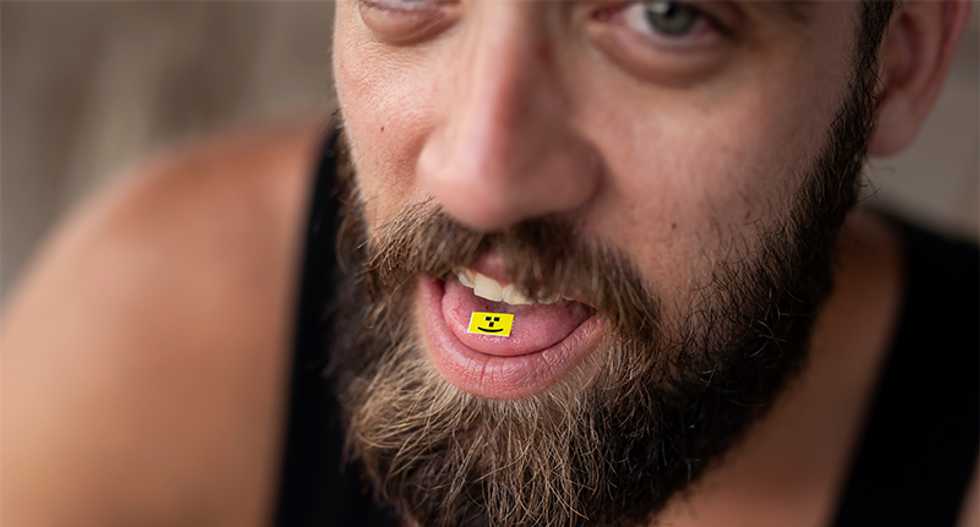

Microdosing—ingesting very small doses of psychedelic drugs—has emerged as a popular pastime among Silicon Valley types and harried executives on both coasts, who have claimed anecdotally that it boosts creativity and helps them function more effectively.
Now, for the first time, comes some hard scientific evidence that microdosing really can be beneficial. In a new, peer-reviewed study in the journal Chemical Neuroscience, researchers at the University of California, Davis, fed small doses of psychedelics to lab rats and found that microdosing can have positive impacts on mental health.
“This is the first time anyone has demonstrated in animals that psychedelic microdosing might actually have some beneficial effects, particularly for depression or anxiety,” David Olson, assistant professor in the UC Davis departments of chemistry and of biochemistry and molecular medicine, who led the research team, said in a press release.
In the study, the researchers used the powerful hallucinogen dimethyltryptamine (DMT), which they said was appropriate because its “molecular structure is embedded within the structures of popular microdosing drugs such as LSD and psilocybin.” Every three days for three weeks, they gave the rats one-tenth of the dose that would bring on a psychedelic trip.
At the end of the three weeks, researchers found that the animals overcame their “fear response” in a test measuring anxiety and post-traumatic stress disorder (PTSD) and also seemed to be less immobile in a test measuring antidepressant effects.
“Prior to our study, essentially nothing was known about the effects of psychedelic microdosing on animal behaviors,” Olson said. “Our study demonstrates that psychedelics can produce beneficial behavioral effects without drastically altering perception, which is a critical step towards producing viable medicines inspired by these compounds.”
In other words, you don’t have to trip to get the benefits of psychedelics.
It wasn’t all good news, though. Researchers found some potential problems: Male rats who microdosed showed significant increases in body weight, while females showed signs of neuronal atrophy.
“It’s exciting, but the potentially adverse changes in neuronal structure and metabolism that we observe emphasize the need for additional studies,” Olson said. The changes in female neuronal structure were particularly puzzling, he said, because those changes did not occur when female rats took larger doses. That could suggest that acute hallucinogenic doses and repeated microdoses produced different biochemical and structural phenotypes, he said.
The study suggests there is indeed a biochemical basis for some of the positive effects of microdosing reported in less scientifically rigorous studies of humans, such as the study by Canadian researchers who found microdosers scored higher on measures of mental health and well-being.
“We found that microdosers scored higher on measures of wisdom, open-mindedness and creativity,” reported researchers Thomas Anderson of the University of Toronto and Rotem Petranker of York University. “Microdosers also scored lower on measures of dysfunctional attitudes and negative emotionality, which is very promising.”
That study recruited microdosers from Reddit communities, but did not include trials with placebos, so more research to validate the results is needed, the researchers conceded.
“As promising as they seem, we don’t know whether microdosing actually caused any of these differences,” they reported. “Maybe people with better mental health were more likely to experiment with microdosing, or perhaps there is some unknown cause that made people both more likely to microdose and to be creative.”
But this month’s UC Davis rat study strongly suggests that it is the microdosing—and not other variables—that accounts for the difference.
This article was produced by Drug Reporter, a project of the Independent Media Institute.

