For much of 2025, public-health debates in the United States have focused on the damage being caused by Health Secretary Robert F. Kennedy Jr. with his reckless vaccine policy decisions, deep funding cuts, the wholesale firing of experienced public health professionals across Health and Human Services agencies, and the loss of trust in public health institutions like the Centers for Disease Control and Prevention.
His actions weakened domestic health protections and further eroded trust in science, evidence based decision making and the scientific method itself.
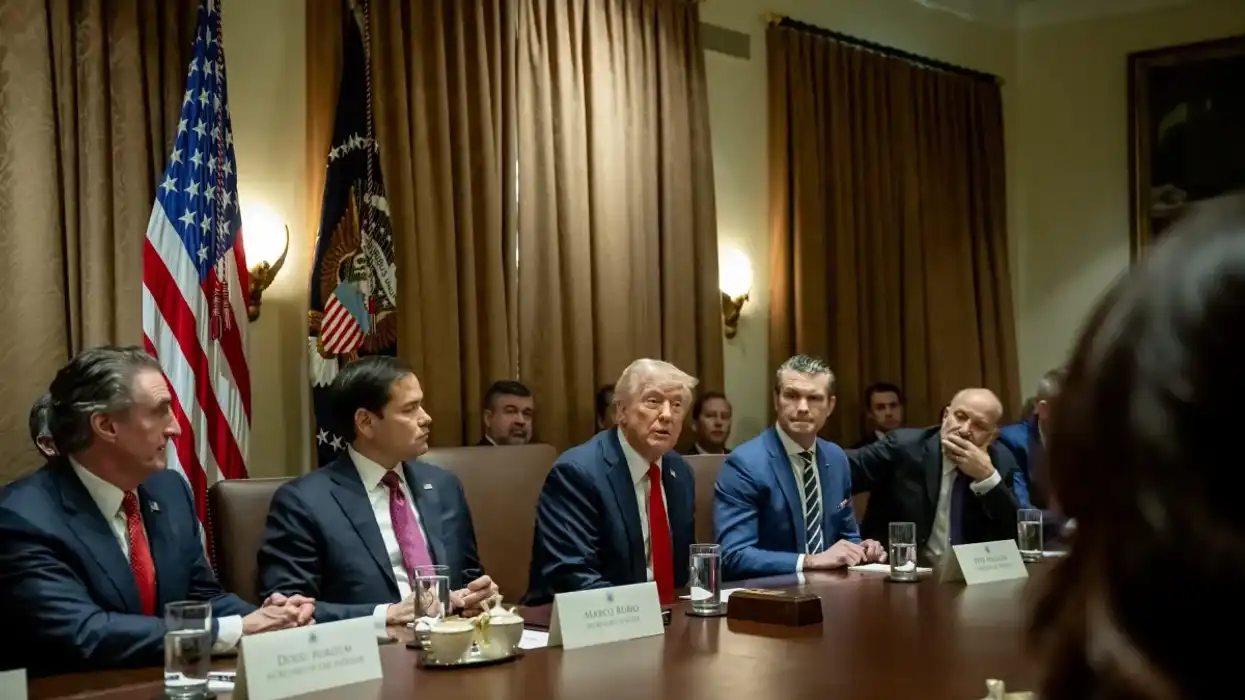
But even accounting for all of Kennedy’s harm, the most destructive public health decision of 2025 didn’t come from his agency. It came from the Secretary of State Marco Rubio via elimination of the U.S. Agency for International Development.
GET THE MORNING HEADLINES.
SUBSCRIBE
That decision will cost more lives, undermine more health systems and increase global health risk more than any other public health policy choice made this year. It also delivered a severe blow to America’s ability to lead through diplomacy.
USAID provided key global public health infrastructure
For decades, USAID was one of the most important public-health institutions on the planet, arguably more consequential than the World Health Organization or the Gates Foundation. It served as a core pillar of global disease prevention and health-system stability. Today, it’s gone.
USAID funded (and held partners accountable for) infectious disease surveillance, HIV treatment, tuberculosis and malaria prevention, maternal and child health services, clean water and sanitation systems, nutrition programs for mothers and infants, vaccine delivery infrastructure and health workforce training in developing nations.
USAID’s work stopped outbreaks before they became pandemics. It reduced mass displacement. It stabilized regions where collapsing health systems fuel hunger, conflict and migration. It improved women’s health, helped families plan their futures and helped entire populations escape poverty.
USAID focused on upstream prevention on a global scale. It was also one of our most effective tools for building diplomatic influence.
Hard power, soft power and why USAID mattered
In international affairs, countries project power in two ways. Hard power relies on forces like military strength, sanctions and the threat of punishment. Soft power relies on trust, humanitarian aid, scientific cooperation and being seen as a reliable partner acting in good faith.
USAID was a cornerstone of American soft power. When the U.S. helped countries prevent disease, strengthen health systems, and keep children alive and families out of poverty, it built credibility. We earned cooperation and trust. It made American leadership legitimate rather than coercive.
Eliminating USAID didn’t just dismantle public health infrastructure; it dramatically weakened our soft power. It broadcasts that the U.S. is transactional, unreliable and disinterested in shared global responsibility.
That erosion of trust will make cooperation during future emergencies far more difficult not only for this administration, but for future ones that may want to restore America’s role as a force for good.
The damage is underway
Thanks to Secretary Rubio disease surveillance is collapsing, meaning outbreaks are detected later or not at all. Interruptions in HIV and tuberculosis treatment are fueling drug resistance, which will inevitably reach us as well.
Gaps in maternal and child health services are translating into preventable deaths. Weakening vaccine infrastructure invites the return of diseases that were on the decline.
Who owns this decision
Responsibility for this decision is clear. As Secretary of State, Rubio presided over, defended, and even trumpeted the dismantling of USAID. President Trump supported it. Elon Musk helped drive the ideological and operational wrecking ball that made it possible.
Together, they reframed global public health as expendable “foreign aid” rather than what it is: A frontline defense against disease, instability, humanitarian catastrophe and a key source of American soft power.
What history will remember
Robert F. Kennedy Jr. has done real damage to public health in 2025. But history will judge the elimination of USAID as something even worse: an abdication of public health responsibility trading several decades of disease prevention and diplomacy for personal ambition and professional survival.
History will remember Rubio’s decision as an abandonment of global public health and soft power, not dollars “saved.”