
WSJ calls it: Trump is in full 'retreat'
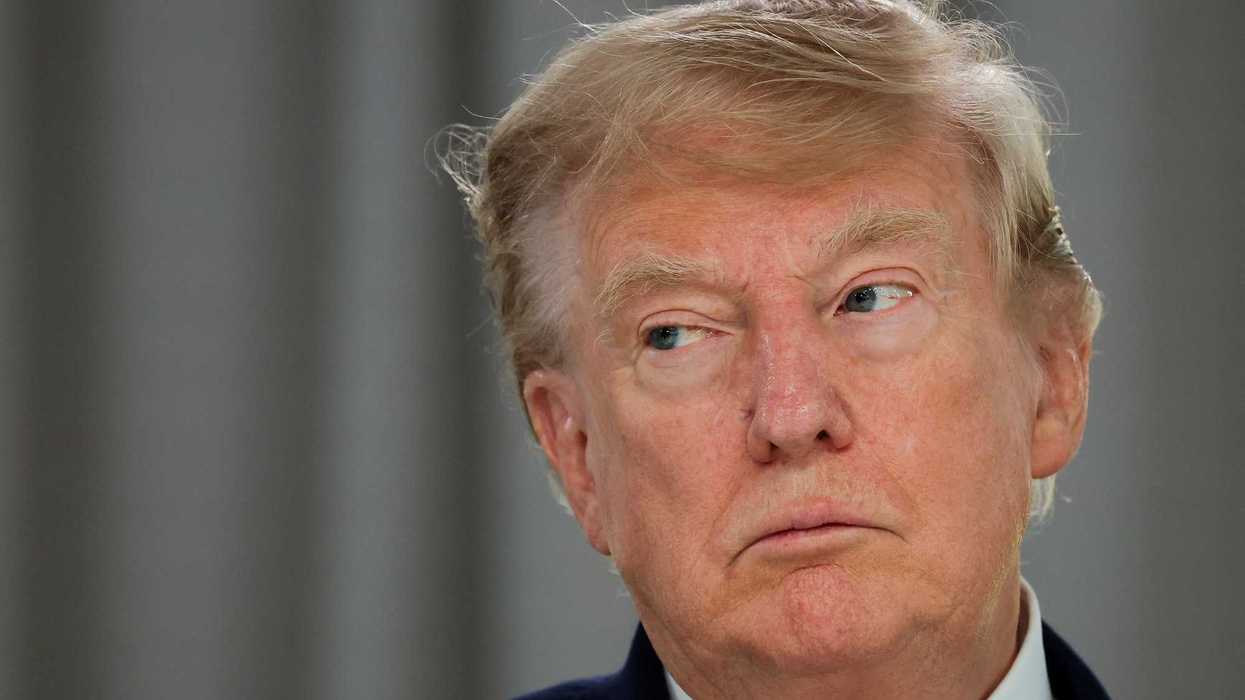
REUTERS/Christian Hartmann/Pool
U.S. President Donald Trump attends a working lunch with the leaders of G7 and the Middle East during the G7 summit, in Evian-les-Bains, France, June 16, 2026.

U.S. President Donald Trump attends a working lunch with the leaders of G7 and the Middle East during the G7 summit, in Evian-les-Bains, France, June 16, 2026.
Over the course of his two terms, the conservative newspaper The Wall Street Journal has had an uneven relationship with President Donald Trump, sometimes supporting and sometimes criticizing his moves. Now, with debates raging over the Iran peace deal, the paper’s editors have called it in no uncertain terms: Trump is in retreat, and the way forward is still fraught with risks that may warrant Congress rejecting his agreement.
As the Journal asserts, “There’s no denying that Mr. Trump is retreating from his main goals as political pressure has built at home.” While he has attempted to portray the deal as “peace in our time,” most recognize it for what it is: “a strategic retreat short of achieving his war aims.” The editors explain that rather than attempting to continue winning militarily, Trump has decided to prioritize opening the Strait of Hormuz, then figure out the other questions like nuclear enrichment later.
And as many have noted, and the Journal points out, the latest agreement isn’t really a lasting peace deal, but “extends the cease-fire for another 60 days, though our guess is that it will be renewed, perhaps many times.” This will result in the opening of the Hormuz Strait — in time for gas prices to come down, Trump hopes, before the midterms — “but Tehran says Hormuz won’t return to the status quo ante, and it claims it will charge ‘fees’ not tolls, as if that’s more than a semantic difference.” In effect, this would hand the Iranian regime both a means of enrichment and political legitimacy.
Perhaps more worrisome to the Journal editors is how the deal addresses, or fails to address, the nuclear question. As they explain, “It would defer most matters of the nuclear program to 60 more days of talks, with oil and other sanctions relief along the way in exchange for diplomatic progress. This linkage is crucial, but pushing off the most difficult nuclear issues in talks with ‘dishonorable people’ who don’t deal ‘in good faith,’ as the President called them on Friday, doesn’t inspire confidence. If the regime won’t agree to dismantle its nuclear program now, why would it do so after weeks of oil exports and other relief?”
What’s more, argues the paper, “Iran’s attestation that it doesn’t seek the bomb is meaningless. It has always said that — and done the opposite. A good deal has to remove capabilities. A promise now to find a solution for the enriched uranium over 60 days means little, unless it specifically commits Iran to removing, diluting or destroying the entire stockpile on a reasonable timetable. Merely disposing of the ‘highly enriched uranium’ doesn’t work when enrichment even to the low-seeming 3.67 percent is already 70 percent of the way to weapons-grade.”
At the same time, the current deal “includes no Iranian commitments on its missiles and terror proxies.” Instead, it puts off the matter for “regional discussions,” which the paper says no one takes seriously. As the editors note, this will either mean that Gulf allies will end up needing more military protection from the U.S., or they will be forced to “accommodate” Iran.
“Meanwhile,” writes the Journal, “allowing oil exports will rescue the regime financially, and resuming sanctions enforcement won’t be easy when Iran can threaten the deal — and the Strait — in reply. Granting the regime access to billions of dollars in frozen funds before nuclear negotiations would be another bailout. Mr. Trump’s talk of investing in Iran suggests he’s making the Barack Obama mistake of thinking the revolutionary regime wants Iran to be a normal country. There’s no evidence it does.”
But in the end, concludes the paper, “The biggest risk is if Mr. Trump sees this deal as a de facto partnership with Iran’s regime… he might overlook violations to strike the final deal or preserve it once it is signed. The people of Iran, whom Mr. Trump promised to help, would be the big losers.”

