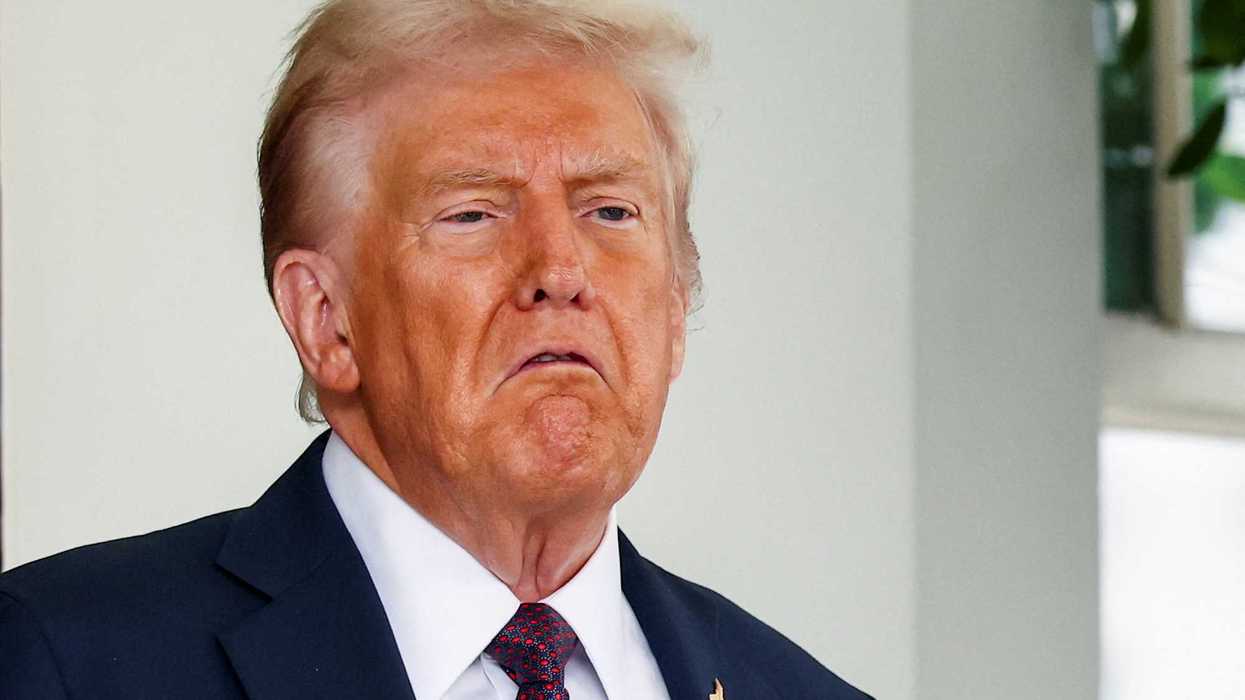
The results are in, and INC reports that corporations that stood their ground in the face of President Donald Trump’s incessant bullying on company policy actually made as much or more than those that caved to orders from the White House.
Trump entered the White House intent on dictating U.S. company policy regarding hiring and promotion practices, with the intent of cancelling or discouraging minority employment or advancements. However, a new study by University of California, Berkeley, public policy researcher Jacob Grumbach indicates that companies that “stuck to their … guns despite the political pressuring have flourished as well as — or better than—those that gave in.
In fact, accounting reveals that companies that caved to Trump’s anti-minority demands may well have decreased the political pressure they faced, but “in no way improved their business results in doing so.”
“We find clear evidence that, on average, firms that kept DEI policies in place performed just as well as firms that complied with the Trump administration’s 2025 anti-DEI executive order,” said the study Grumbach published this month. “This result reflects that consumers, on balance, did not punish firms for maintaining DEI, and also that the executive branch did not engage in other major forms of regulatory retaliation against noncompliant firms.”
The research examined S&P 500 companies that weakened or eliminated certain policies in accord with White House demands. This included Citigroup, Dollar General, and Walmart. Researchers then compared the financial results of those companies with those of Costco, Delta, Microsoft, JPMorganChase, Apple, and other businesses that stuck to their inclusive guns, or who reinstated diversity and equality practices after initially panicking.
“Grumbach’s examination of companies’ respective revenue and abnormal stock returns found that firms that stayed the DEI course usually did at least as well as those who dropped the policies — when not better,” reports Inc. “He called that a lesson both business and civil leaders should learn from.”
“Businesses and other civil society organizations may comply with executive pressure out of concern that defiance will trigger retaliation and incur financial costs,” the study said. “Our findings suggest that, at least for large corporations, these fears may be overstated.”
In many cases, companies that refused to cave to Trump’s blackmail got rewarded by clients, while those that surrendered were penalized. At least 11 major companies — among them Oracle, Morgan Stanley, Microsoft, and McDonald’s — have shifted their legal work to firms that have stood up against Trump and away from firms that struck deals with him, The Wall Street Journal reported.
Former Secretary of Labor Robert Reich pointed out last year that when Target rolled back DEI, the “company confronted a consumer boycott, which led to a 17 percent drop in the value of its stock. A similar boycott of Walmart has contributed to an 18 percent drop in its stock value in the past month alone.”