
'Shifts in views among Republicans' fueling vaccine hesitancy: WaPo editorial board
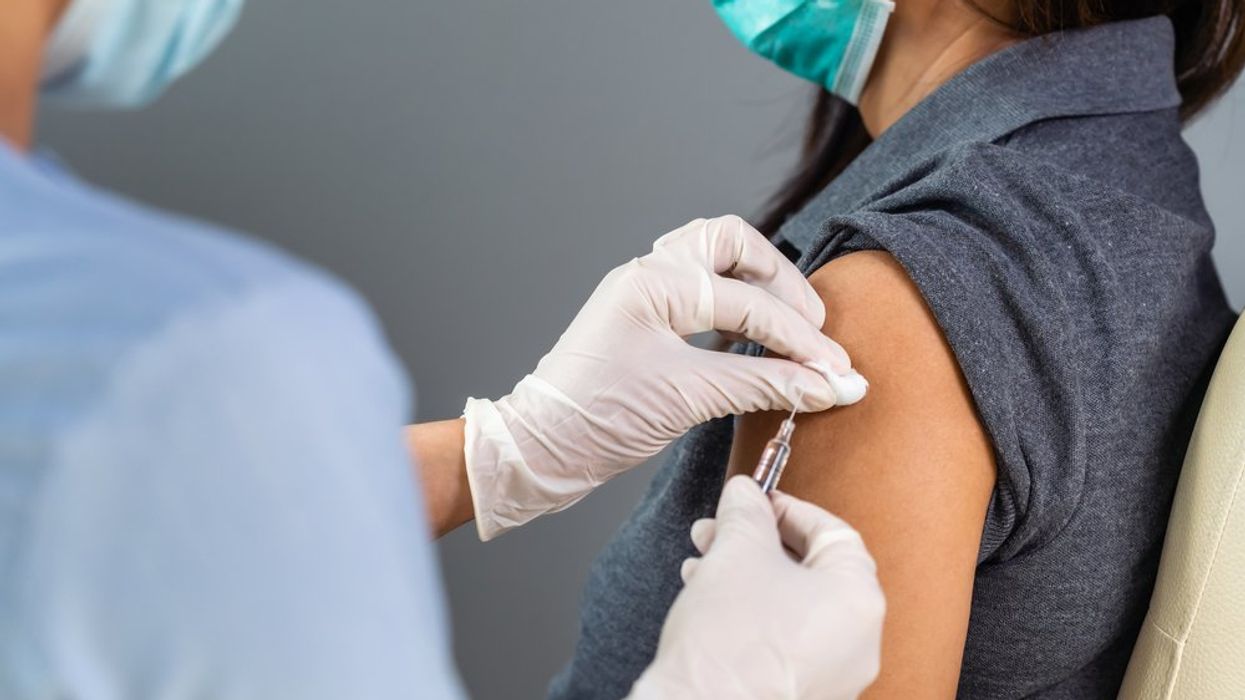

A recently published survey conducted by the Pew Research Center reveals "deepening vaccine hesitancy in the United States," citing "shifts in views among Republicans" as the cause, The Washington Post editorial board opined on Wednesday.
The board defines "vaccine hesitancy" as "the tendency of people to hold back out of suspicion, disinformation and anti-vaccine lobbying."
The March survey, which represents 10,701 United States adults discovered Americans "remain steadfast in their belief in the overall value of childhood vaccines" — "with no change over four years 'in the large majority who say the benefits of childhood vaccines for measles, mumps and rubella (MMR) outweigh the risks.'"
READ MORE: 'Absurd but also dangerous': WaPo Editorial Board torches Ron DeSantis' war on COVID-19 vaccines
However, the same report "highlights enduring skepticism about coronavirus vaccines," noting, "fewer than half of U.S. adults believe the preventive health benefits of coronavirus vaccines are high, while 7 in 10 hold this view of the childhood measles vaccines."
As a result, the United States, according to the board, "is facing a tide of uncertainty that is unwarranted by the lifesaving performance of vaccines during the pandemic."
For example, the board writes the change in Republicans' views has resulted in "a surprising 28 percent of those responding" saying "parents should be able to decide not to vaccinate their children," noting this as an increase of "12 points from four years ago."
The Post explains:
In 2019, 79 percent of them said they supported requiring children to be vaccinated to attend public schools; that has now shrunk to 57 percent. By contrast, there is 'no meaningful change' in the 85 percent of Democrats who support such a requirement. Also unsettling, White evangelical Protestants backed such school requirements by 77 percent to 20 percent four years ago, but in the latest survey, the support was 58 percent to 40 percent.
Noting a major measles outbreak among children in 2019, the board reports, "The rest of the world has suffered more disease because the pandemic disrupted many childhood immunization campaigns," adding, "the solution is to counter the disinformation and to realize that anti-vaccine statements on social media, in particular, can be extremely harmful and misleading.
READ MORE: Watch: Ron DeSantis falsely declares that bivalent COVID-19 boosters make infections 'more likely'
The Washington Post's full report is available at this link (subscription required).

