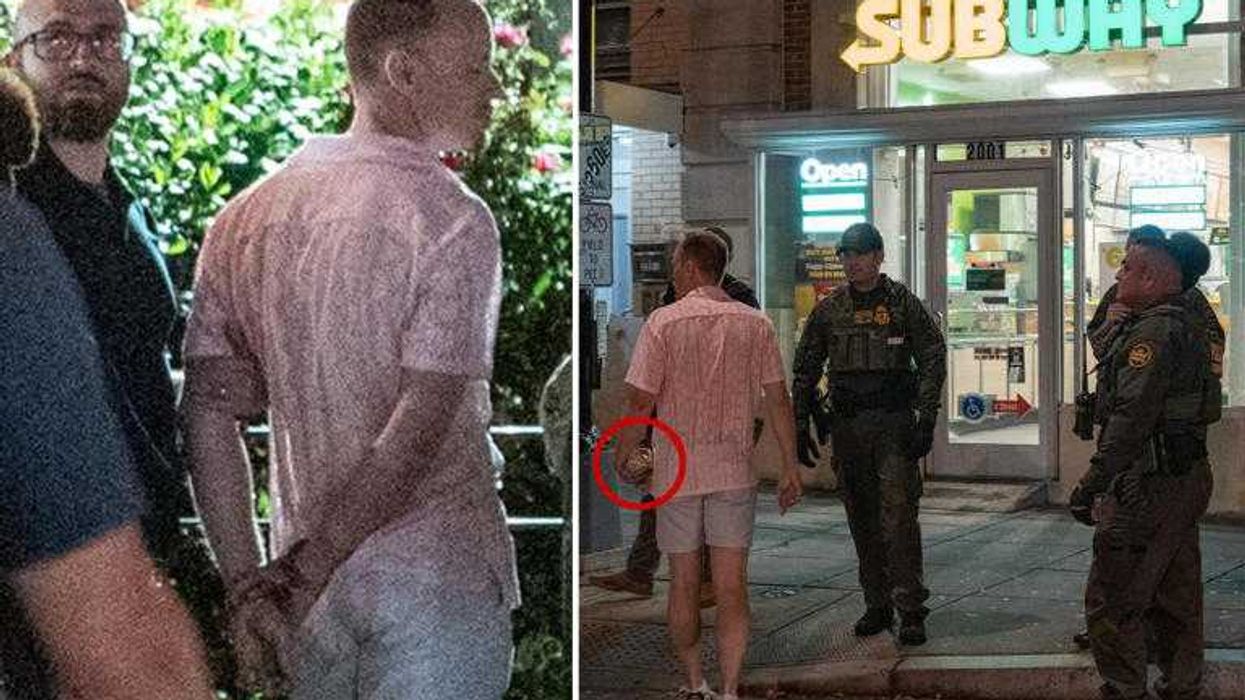
President Donald Trump's allies, including Homeland Security Secretary Kristi Noem and U.S. Attorney General Pam Bondi, have been threatening opponents of his mass deportations with aggressive prosecutions if they interfere with U.S. Immigration and Customs Enforcement (ICE) raids in any way. Bondi threatened "severe consequences," and the people being arrested include not only those targeted for deportation, but also, protesters voicing their opposition to the raids.
In an article published on December 18, however, Associated Press (AP) reporters Michael Biesecker, Jaimie Ding, Christine Fernado, Claire Rush and Ryan J. Foley emphasize that many of these prosecutions are not going well. And according to legal experts and law professors, the U.S. Department of Justice (DOJ), under Bondi's leadership, is flailing badly.
Veteran defense attorney Ronald W. Chapman II, who has worked on many federal cases, told AP, "When the DOJ tries to take a swing at someone, they should hit 99.9 percent of the time. And that's not happening."
Former federal prosecutor and ex-George Washington University Law School professor Randall Eliason, believes the Trump-era DOJ is handling the prosecutions badly by wasting its resources on "minor, minor misdemeanors."
Eliason told AP, "Many of these cases also show how the rhetoric on Twitter and in press releases and statements is not surviving the courtroom. What that tells you is that the Trump Administration is hoping to send a message and chill future protests, not pursue serious criminal cases that need to be prosecuted."
The AP reporters describe specific examples of anti-ICE raids protesters facing prosecution and note major flaws in the cases.
When three grand juries in a row decided against indicting protester Sidney Lori Reid on felony assault charges, she was charged with a misdemeanor.
U.S. Air Force veteran Dana Briggs, who is 70, was charged with assault after a protest in Chicago; DOJ prosecutors reduced the charge to a misdemeanor before dropping the case altogether.
In Portland, Oregon, 28-year-old protester Lucy Shepherd was charged with felony assault. But the case was dropped.
AP examined 166 federal cases brought since May and found that more than 40 percent of them "involved relatively minor misdemeanor charges," according to Biesecker, Ding, Fernado, Rush and Foley.
The AP reporters explain, "Of the 100 people initially charged with felony assaults on federal agents, 55 saw their charges reduced to misdemeanors, or dismissed outright. At least 23 pleaded guilty, most of them to reduced charges in deals with prosecutors that resulted in little or no jail time."
Former DOJ prosecutor Mary McCord — a frequent legal analyst on MS NOW and director of Georgetown University Law Center’s Institute for Constitutional Advocacy — told AP, "It's clear from this data that the government is being extremely aggressive and charging for things that ordinarily wouldn't be charged at all. The other thing that is missing here from the way the federal government appears to be looking at these protests is there seems to be no respect for First Amendment rights. They appear to want to chill people from protesting against the (Trump) Administration's mass deportation plans."
Read the full Associated Press article at this link.