

'Devastating' highway project is 'destroying' the 'family legacies' of a South Carolina town: report
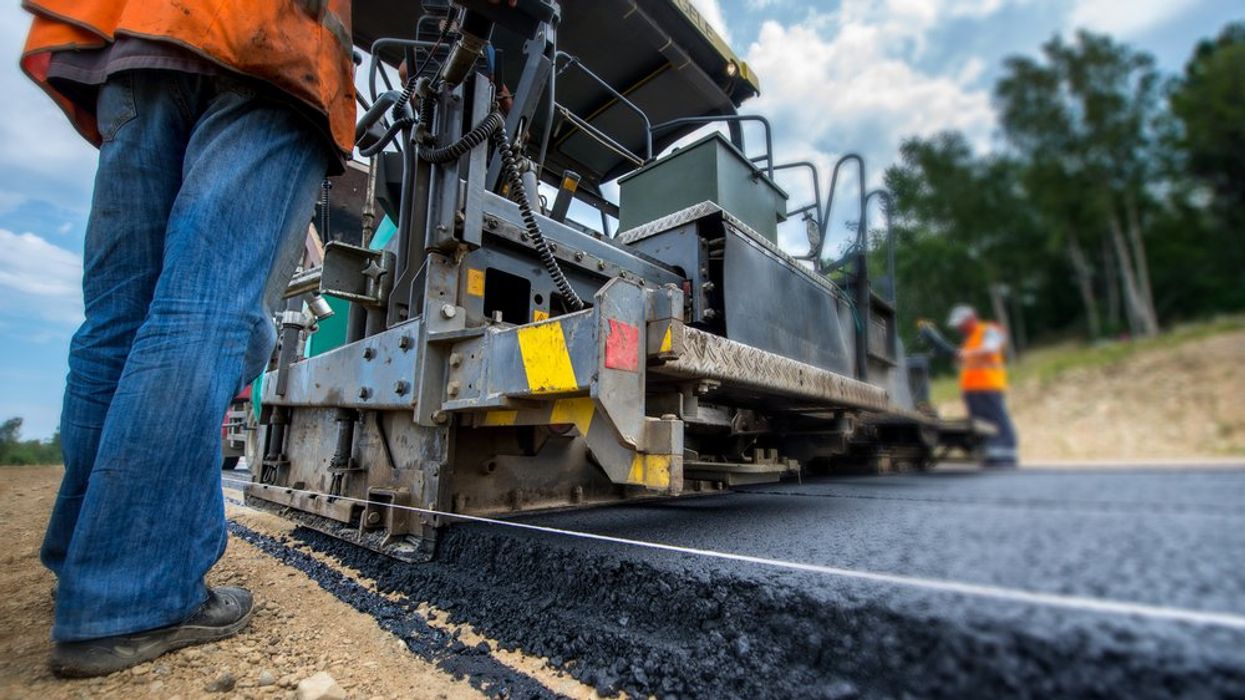
Residents of the South Carolina town of Sandridge are being forced to "leave, bidding goodbye to their family legacies" due to "a controversial infrastructure project," The Guardian reports.
Per The Guardian, a community of majority-Black and elderly members, Sandridge "was established by Black sharecroppers in the mid-1800s," and is home to "one of the first Black-owned grocery stores in the state."
Earlier this year, according to the report, "the South Carolina chapter of the NAACP filed a Title VI complaint alleging that the state and the county violated the civil rights of Black residents in the design, planning and implementation of the Conway Perimeter Road."
READ MORE: How I-95’s rapid repair teaches 'lessons' in fixing infrastructure: Pennsylvania governor
Furthermore, the report notes "the Conway Perimeter Road would span four lanes and connect two existing highways and allegedly cut travel time for those headed to the nearby beach – and it would also mean destroying at least six homes in" the town.
"I thought it would be left to my children, and they could leave it to their children," 82-year-old Bobbie Anne Hemingway Jordan said of her family's property. "I didn't think I'd ever have to leave that land. All the memories I've got, all the love, the things that happened on that property – they couldn't pay me enough for that."
The Guardian notes "the sum she received for her three-bedroom, two-bath house" after "appraisers offered to buy" her property in 2021 "was just enough money to purchase a one-bedroom apartment in a nearby community."
Carmella Spain, a 53-year-old resident whose home is expected to fall prey to the project added, "This has been devastating to me and my siblings. I just wish we could go back to living the way we used to. I hate that they are coming through to destroy a community that has been there for many years. To no longer be the community we once were."
Considering the fact "using highways to divide Black communities has a long history in the United States," Tufts University critical urban planner and professor Julian Agyeman said, "Take virtually any city in the country and overlay demographic data over highways, and you can see that the largest burden of construction falls on African American communities. These highways were not accidents. Urban planning is the spatial toolkit of racial segregation."
An ardent opponent of the highway since 2019, Reverend Cedric Blain-Spain added "They are destroying everything that was given to us [...] by our parents and foreparents, who just wanted to give us a community, to give us a place to call home. Our legacy, it means nothing to them."
The Guardian's full report is available at this link (subscription required).
