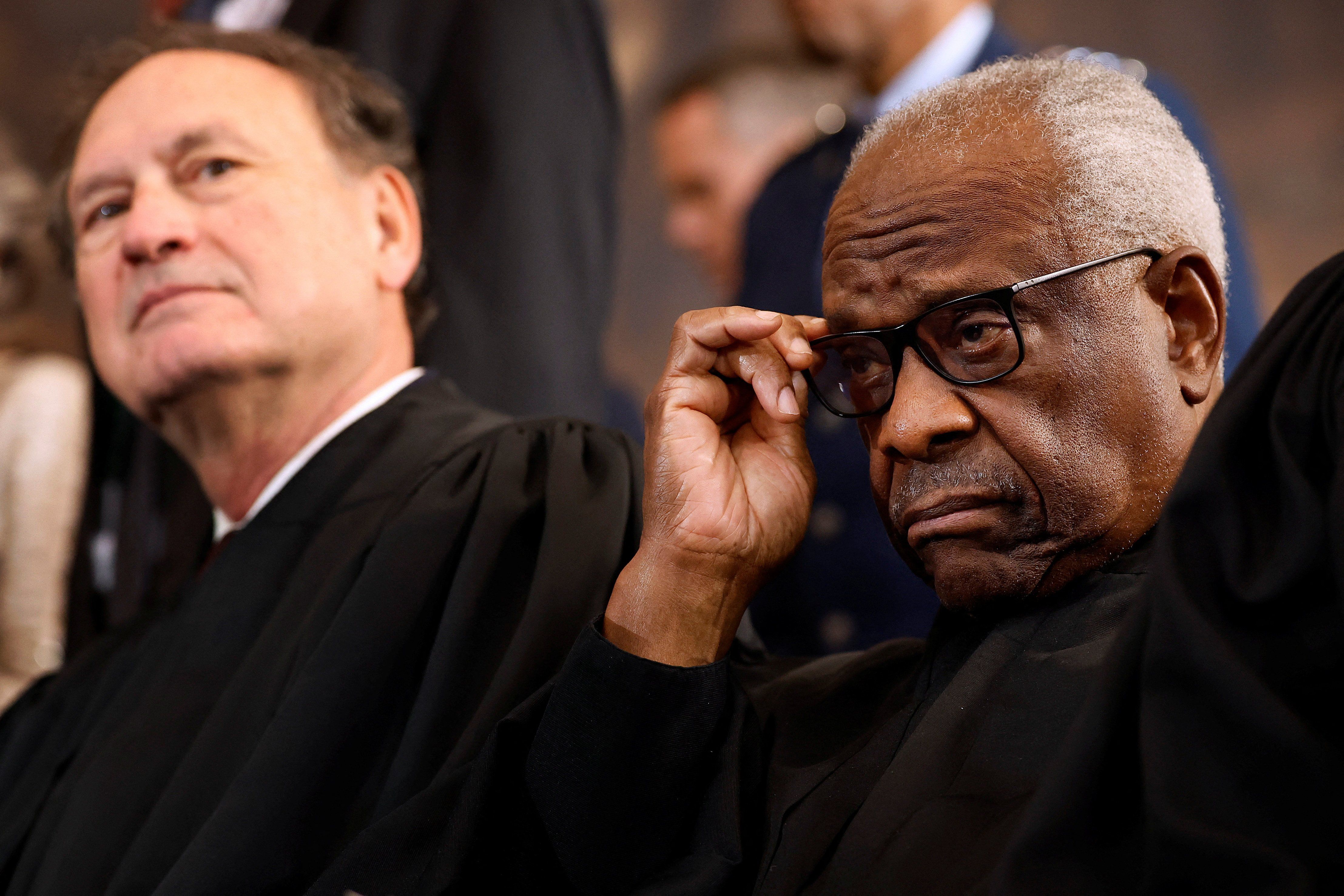
Legal analyst James D. Zirin has been a former federal prosecutor in New York’s Southern District long enough to know whose side the Supreme Court is on.
Ask almost anyone whether the Supreme Court has been in the tank for Donald Trump since his second inauguration, and they will say, of course,” argued Zirin. While the court may have ruled against Trump on tariffs, birthright citizenship, the National Guard, and on firing a Federal Reserve governor, the 32 cases on the Court’s shadow docket are a different story.
“As of October 1, 2026, Trump reportedly won 24 of them, or 75 percent, allowing him to keep doing things that lower courts had found likely unlawful, without the justices ever saying those courts were wrong. On the shadow docket, also called the emergency docket, the Court decides cases on an interim basis, without full briefing or oral argument, and with little or no explanation. Yet the Court has told lower courts to treat these orders as guidance in similar cases and thus may carry precedential weight.”
It is actually the federal district courts that have “done the job of upholding the rule of law” in Trump’s second term, said Zirin, having delayed or blocked Trump’s excesses. But much of what has stood in district courts’ way has been the Supreme Court.
“To add insult to injury, the Supreme Court has largely stood by in silence as the administration trashes district judges, letting its attacks go unchallenged and even unremarked. And it is not only Trump’s rants against the courts on Truth Social, or Trump-backed impeachment threats in Congress. … Justices Neil Gorsuch and Brett Kavanaugh … have themselves taken district judges to the woodshed,” accusing them of defying the Court’s unexplained rulings from its shady shadow docket.
“Lower court judges may sometimes disagree with this Court’s decisions, but they are never free to defy them,” Gorsuch and Kavanaugh chided in one opinion after the Roberts Court allowed Trump to cancel $783 million in research grants.
But come January, the landscape will change, said Zirin, with Democrats taking the largest House majority in the 21st century.
“The Supreme Court is accountable to the executive only in the sense that the executive can choose to comply or not. It is accountable to Congress because Congress can enlarge the Court, impose term limits, or regulate its jurisdiction,” said Zirin.
For a quarter century, the Court could rest assured that its decisions would bring no recrimination from Congress because for decades Congress did not target the court’s jurisdiction, budget, or its interpretations of statutes Congress enacted. Initially this was because the Court did not do these things very often, but later it was because a complicit Republican Congress walked in ideological lockstep with the court.
“That has surely whetted the Court’s appetite to take whatever cases it wants, and to ride roughshod over the rule of law on the shadow docket, without pushback from Congress,” said Zirin.
But Congress has an arsenal of Constitutionally-appropriated weapons that it hasn’t used in years. and its angry new Democrat majority may see fit to finally pull them off the rack.
“Now, there’s a sense that we have lost our way. As the country enters a post-Trump era, we will see which court reforms are enacted in the next decade,” said Zirin.