Trump aide's bold prediction about American dominance is falling apart — in real time
18 May
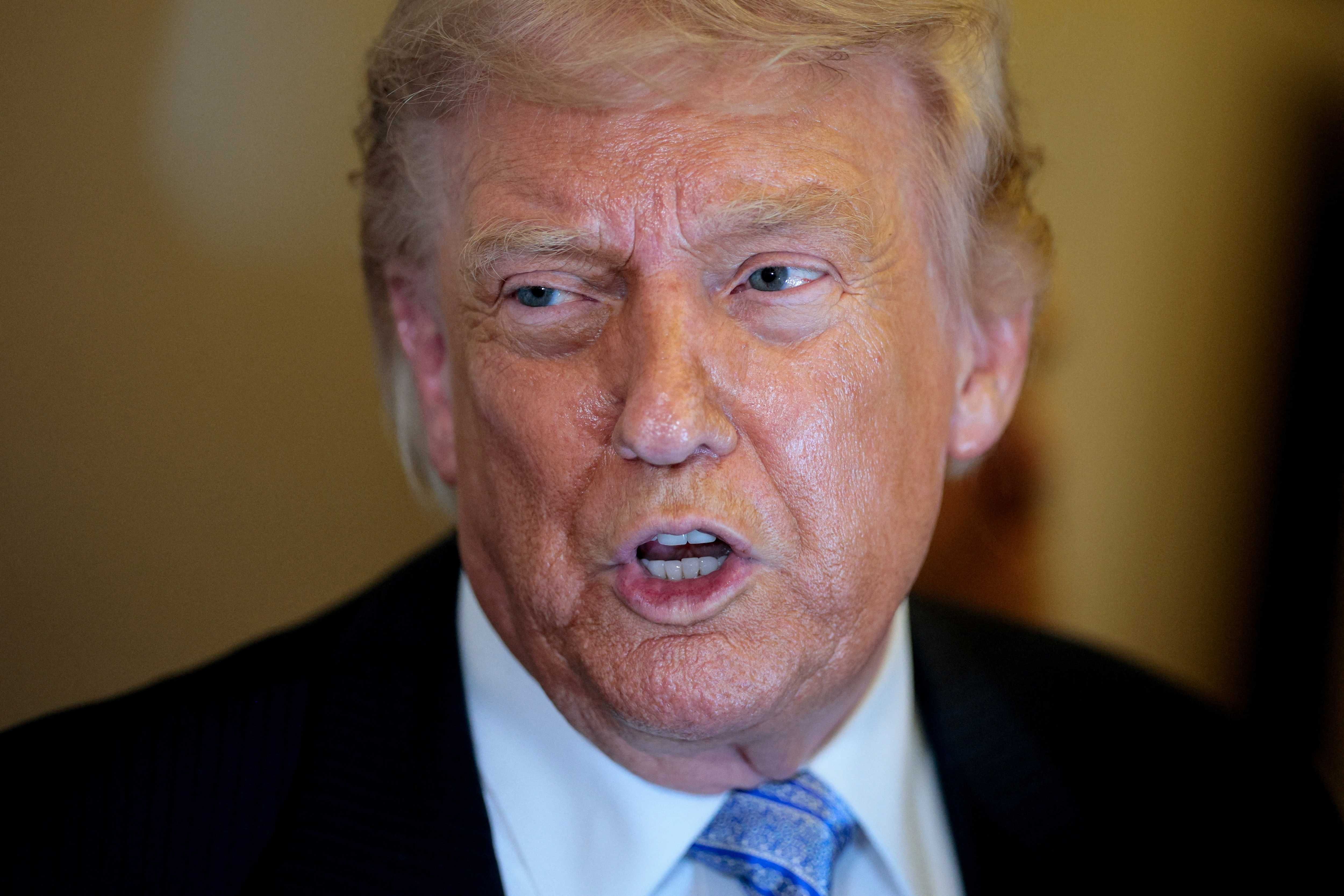
U.S. President Donald Trump aboard Air Force One, May 15, 2026. REUTERS/Evan Vucci
Despite suffering from weak approval ratings in poll after poll and alienating many of the United States' longtime allies, U.S. President Donald Trump remains the most influential figure in the Republican Party. Trump is obsessed with power, both in the U.S. and abroad. But according to New York Times columnist Lydia Polgreen, his "theory of power" is fundamentally flawed.
That theory, according to Polgreen, was articulated by White House adviser Stephen Miller during a "blustery and revealing interview" with CNN's Jake Tapper back in January.
"Flush with the triumph of the military raid to abduct Venezuela's president, Nicolás Maduro," Polgreen explains in a Times column, "Miller was taking a victory lap. America was done being the world's nice guy, footing the bill for a global order that no longer served its interests. From now on, he said, the gloves were off. America would act boldly and with unapologetic force to impose its will on the world."
The Times columnist adds, "This was seemingly the purest expression of Donald Trump's theory of power, spoken by perhaps the most hardline member of the administration…. It was with this pugnacious certainty that the Trump Administration barreled into a reckless, unprovoked war against Iran more than two months ago."
But the Iran war, Polgreen emphasizes, "hasn't worked out" the "way" Trump envisioned and underscores the fundamental flaws in his "theory of power."
"Despite losing its leader and many other top officials," Polgreen observes, "Iran has mounted a formidable response, inflicting widespread damage on America's regional allies and military bases. By seizing control of the Strait of Hormuz, Iran has grasped something akin to an economic nuclear weapon, sending fuel prices soaring and prompting shortages of key goods in many parts of the world…. For all America's military prowess, its endless ability to inflict violence, including Trump's barely veiled threat to use a nuclear weapon, Iran has not capitulated."
The Iran war, Polgreen observes, isn't the only thing showing the "extraordinary weakness at the core of his presidency."
"Many of Trump's attempts to rule through the different force of executive orders have met a similar fate — be they imposing tariffs, slashing government spending or building opulent monuments to himself," Polgreen argues. "In the court of public opinion and even, at crucial moments, at the Supreme Court, Trump keeps losing his fights. Perhaps it is no surprise that Miller has been awfully quiet of late. His entire theory of power, and perhaps Trump's presidency, is in peril."