The peace talks between the United States and Russia over the war in Ukraine have failed because of poor negotiating tactics, according to a report in Time Magazine.
"So far, no compromise version of a peace settlement has been found,” Yuri Ushakov, an advisor to Russian president Vladimir Putin, said after Tuesday's five-hour meeting between Putin and U.S. Special Envoy and former Long Island real estate lawyer Steve Witkoff.
Time writer Daniel Fried says this is no surprise, writing, "Putin has never negotiated in good faith since his first invasion of Ukraine in 2014. Instead, he has consistently demanded maximalist aims to secure Ukrainian territory and erase its sovereignty."
Witkoff and President Donald Trump's civilian son-in-law Jared KushnerJared Kushner met with Putin Tuesday to discuss a proposed peace plan for Ukraine, which the Kremlin described as "useful" but yielded no immediate breakthroughs or "compromise plan".
"While details of the Kremlin talks are only beginning to emerge, it appears Putin again offered nothing on the key issue of territory, meaning the location of a cease-fire line, and security for Ukraine. After much diplomatic drama, U.S. negotiators are leaving the Kremlin with little," Fried notes.
Trump has thus far been unsuccessful in mediating an end to Russia's war against Ukraine, Fried says, in large part due to the fact that "the Administration’s approach has been haphazard and its negotiating tactics poor."
Witkoff's inexperience has shown, especially after Tuesday's meeting with Putin, he notes.
"Witkoff put together an initial 28-point plan that had heavy Russian input if not authorship. That gave his Russian counterpart, Kirill Dmitriev, two bites at the negotiating apple: at the outset and in the actual talks, a tactical mistake," Fried says.
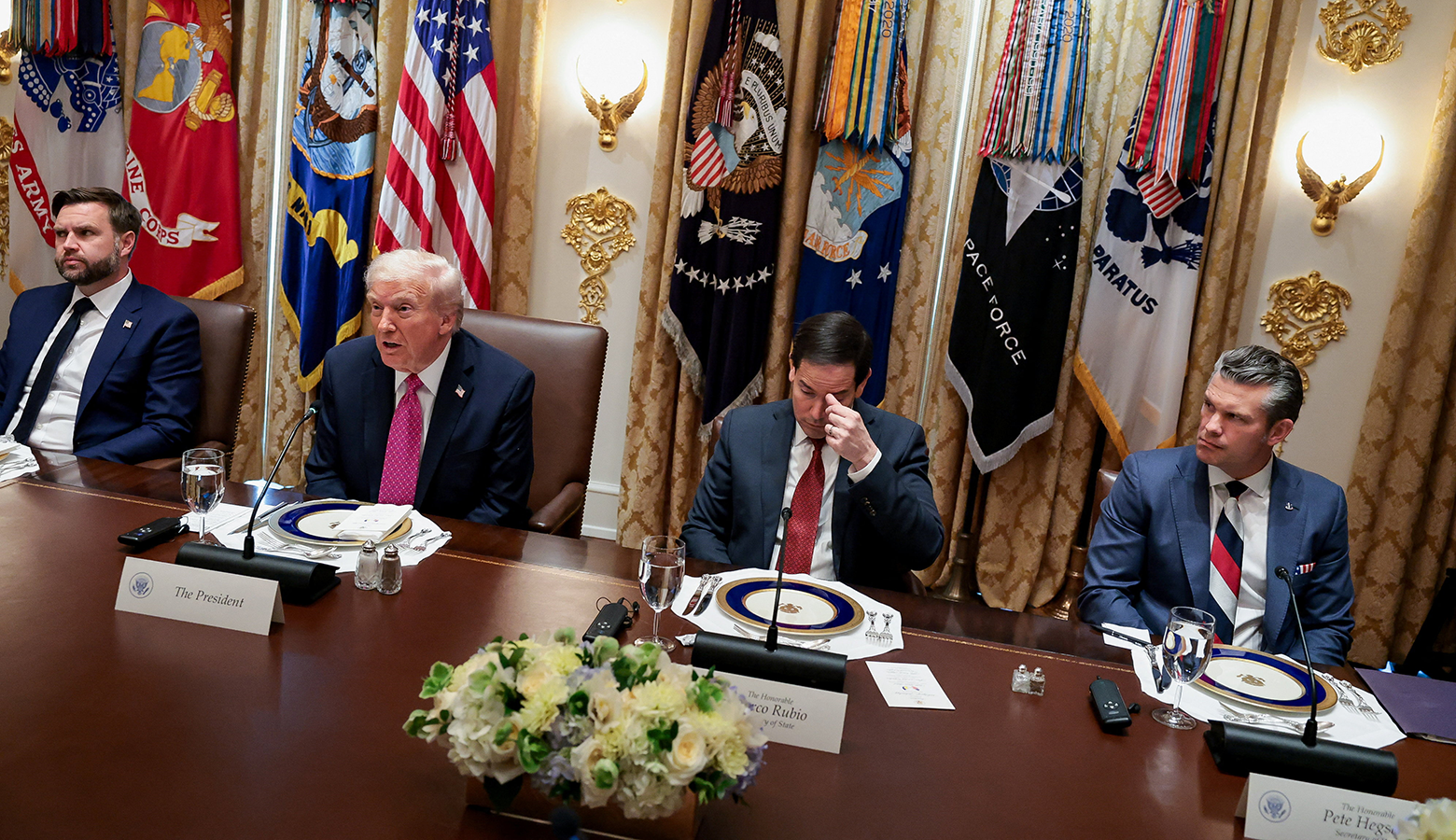
Also contributing to the failure, he notes, is infighting within the Trump administration and the vague role of Secretary of State Marco Rubio in these talks.
"Worse, divisions within the Trump Administration between those more supportive of Ukraine and those less so have been visible and lines of authority uncertain," Fried writes.
"Is Secretary of State Marco Rubio in charge of the U.S. position? He was in the lead in Geneva and during the Florida talks. But he was not in Moscow for the critical talks with Putin," he adds.
The Kremlin has taken note of all of this and has seemingly benefited from it, Fried says.
"The Administration has been negotiating in public and with itself, with occasional tensions with Ukraine on display and infighting not hard to spot," he says.
"The Kremlin has been in the happy position of sitting back, maintaining its maximalist demands, and waiting for new concessions. These are standard Kremlin negotiating tactics and it seems Putin followed them with Witkoff," Fried notes.
A deal can still be done, he writes, but the Trump administration has to make some serious modifications to their position.
"The Trump Administration must now decide how to respond to the Kremlin’s stonewalling. To end the war, the U.S. will have to stop trying to find concessions that will satisfy Putin," Fried says.