'Serious implications' as wealth gap and 'asset bubble' balloon under Trump: reporter
23 January
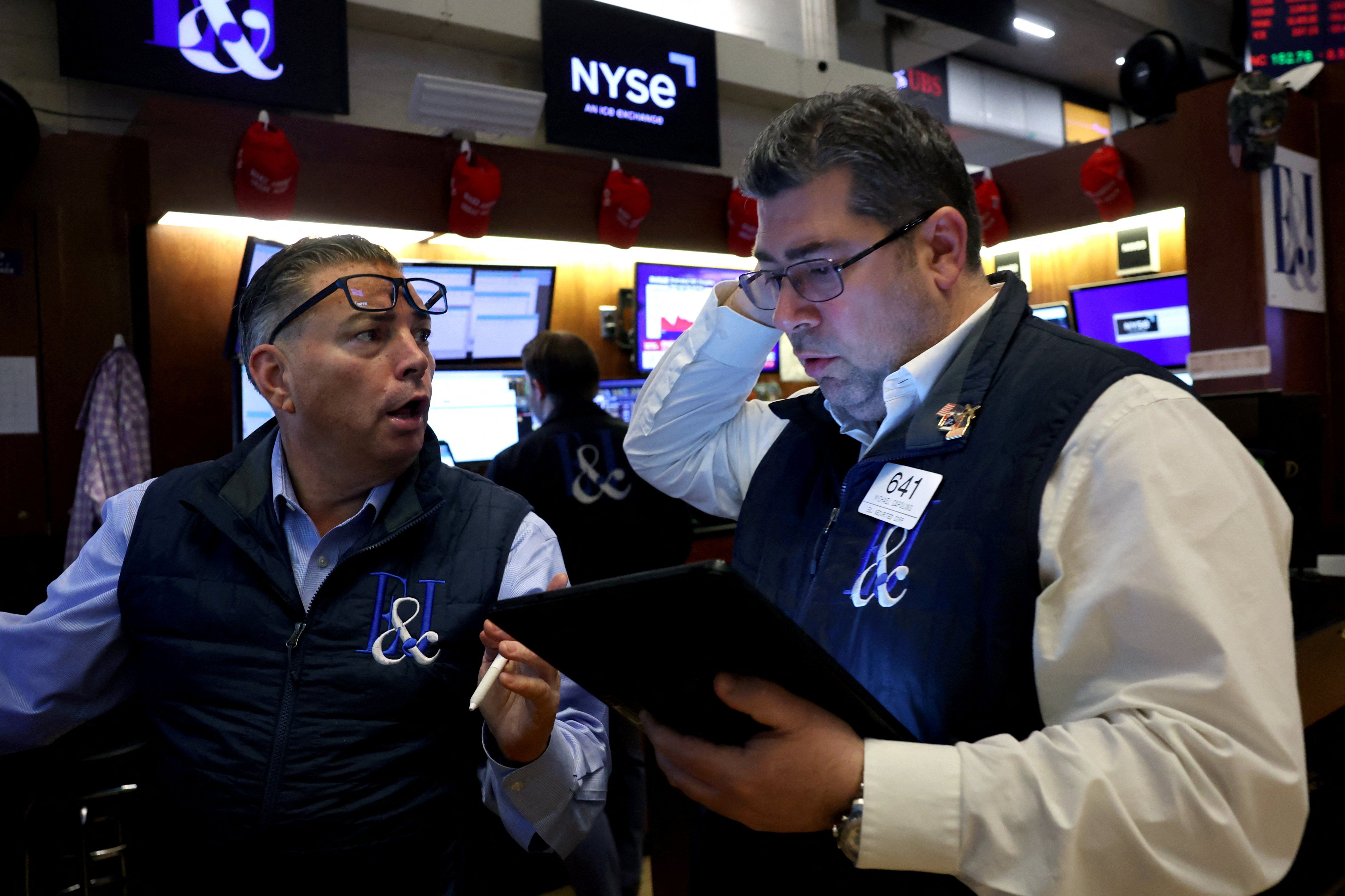
Traders work on the floor at the New York Stock Exchange (NYSE) in New York City, U.S., April 4, 2025. REUTERS/Brendan McDermid
Economics experts have recently been describing the U.S. economy as "K-shaped," meaning the rich are doing better and better while anyone making under a million dollars a year aren't doing as well. In fact, the wealthy are doing so well that they're spending enough to make the economy look stronger than it might actually be.
Speaking to CNN on Friday, senior markets reporter Madison Mills from Axios cited the top wage earners, those making over about $130,000 annually, account for 59 percent of the spending in the U.S. The other 80 percent of people, those making under about $62,000, only account for about 40 percent.
"Whatstands out to me about thosenumbers is how quickly they'vegotten worse. Just about sixmonths ago, the top earners werespending about half of allconsumer spending, and it'salready gotten up to 59 percent. So,we're seeing this wealth gapwidened even further. And as yousaid, that can have seriousimplications for how we'reviewing the economy," said Mills.
CNN host John Berman commented that when the president announces 4 percent economic growth, it might be great, but it's not giving the full picture.
"Consumer spendingis the biggest driver of GDP ofeconomic growth," Mills explained. "So, if you justlook at consumer spending on aheadline basis, it's lookingpretty good because the rich people are spending a lot. Youalso have the AI companiesspending a lot. So that's makingthat headline number appearbetter than it might actuallybe."
The stock market might be hitting record highs but you also have housing prices hitting record highs.
"That's increasing that wealthgap because the people whoalready owned those assets aregetting richer all the timebecause they're invested," Mills continued. "Meantime, people who didn't havea chance to get in there arefaring even worse. At the sametime, you have these big techcompanies who have more cashflow than we've seen companieshave ever in history, spendingbillions and now expected to betrillions of dollars on AI andthat also fuels the economy."
It means that it leads to an "asset bubble" so it makes it more difficult to accurately calculate the actual health of the U.S. economy.