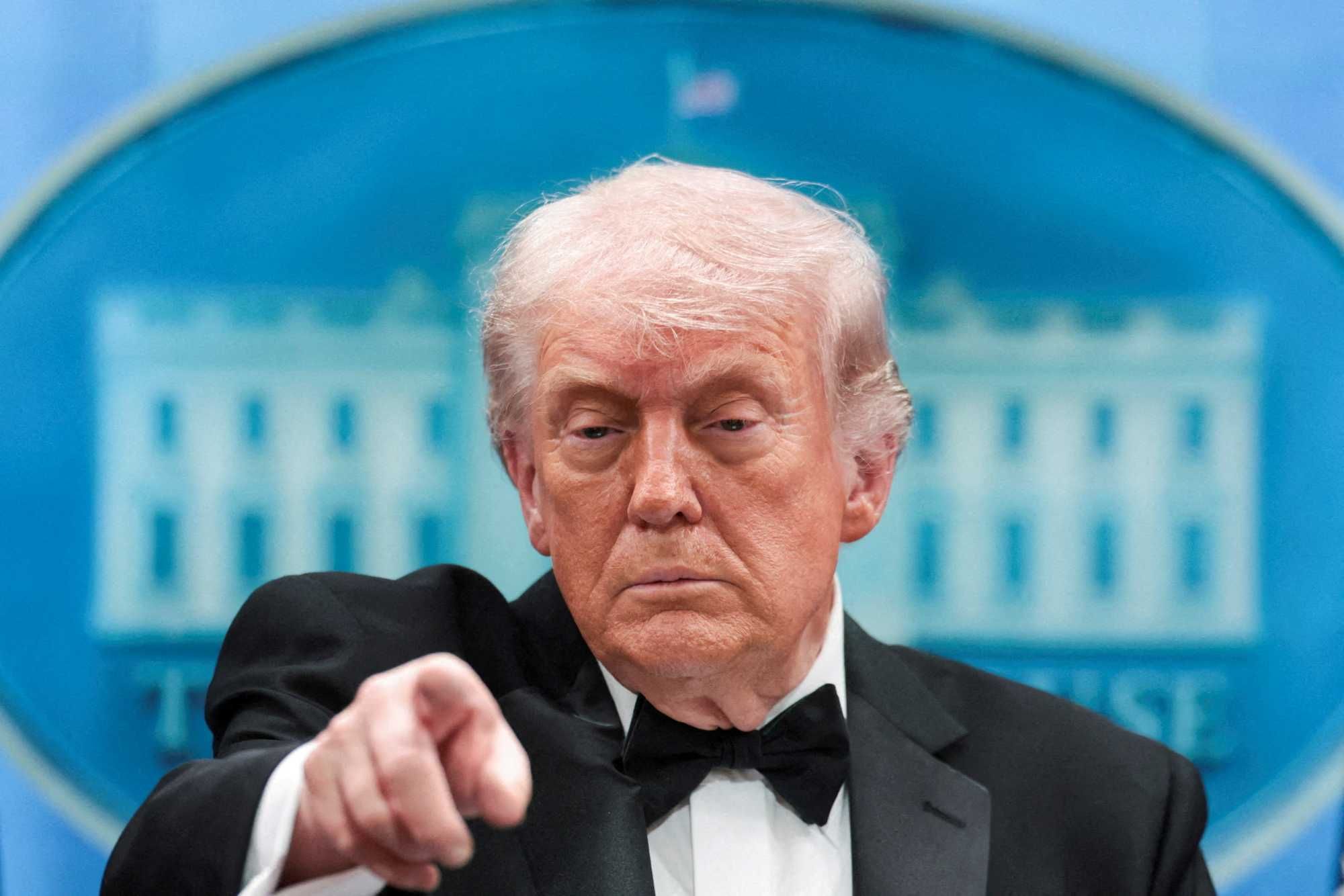
Following the assassination attempt at the White House Correspondents’ Dinner, President Donald Trump may have hopes for one of those “Hollywood endings” where a sympathetic public rushes to support the endangered commander-in-chief, not only turning around his cratered approval numbers, but perhaps even getting him a ballroom out of the deal. But according to historians Matthew and Robert Dallek, the past has shown that the attack will likely make his situation worse.
“Assassination attempts against sitting presidents have tended to compound their political problems and isolate them from the public,” write the Dalleks in the New York Times. “Rather than reviving a president’s flagging fortunes, negative assessments have tended to harden.” They note that this can also apply to the president’s party.
The latest polls certainly indicate "flagging fortunes" for Trump. At 37 percent, his approval rating has plummeted to a historic low. Looking more broadly, the situation also appears negative for Republicans grappling with skyrocketing gas prices as the midterms loom.
Once a president’s approval has fallen below a certain point, the Dalleks explain, history doesn’t provide many examples where presidents have recouped the lost ground. They note that since 1950, sitting presidents have experienced six assassination attempts involving a gun: one (John F. Kennedy) died, two (Harry S. Truman and Gerald Ford) saw no improvement in negative approval ratings despite handling the situation with grace, and one (Ronald Reagan) saw his approval climb temporarily while his party nevertheless faced major midterm losses before his approval sank once again as recession set in. In the case of Reagan, the short-lived boost of support following the attack plus an economic recovery two years later was enough to garner a second term.
After his latest attack, writes the Dalleks, “Mr. Trump aims for a similar effect, immediately pivoting to his plans to resurrect the White House Correspondents Dinner and redoubling his call to build a White House ballroom to harden the president’s security.”
Many doubt he'll have much success.
“Whatever goodwill Trump had, he’s already squandered it — attacking Norah O’Donnell and using the moment to pitch his new ballroom,” said Democratic strategist Anthony Coley, referring to Trump's post-attack interview on 60 Minutes, where he took the opportunity to rail against the unfair media. “Americans are focused on gas, groceries, and the cost-of-living crisis."
The Dalleks say it's unlikely that Trump will be able to turn the situation around.
“Like most presidents who have faced a close call, Mr. Trump can’t count on an outpouring of public sympathy to save what remains of his presidency,” they conclude. While there is a chance that the attack will inspire parts of his base to turn out in the midterms, even that is dubious. “History offers little hope that a near miss will reset his presidency.”