JD Vance
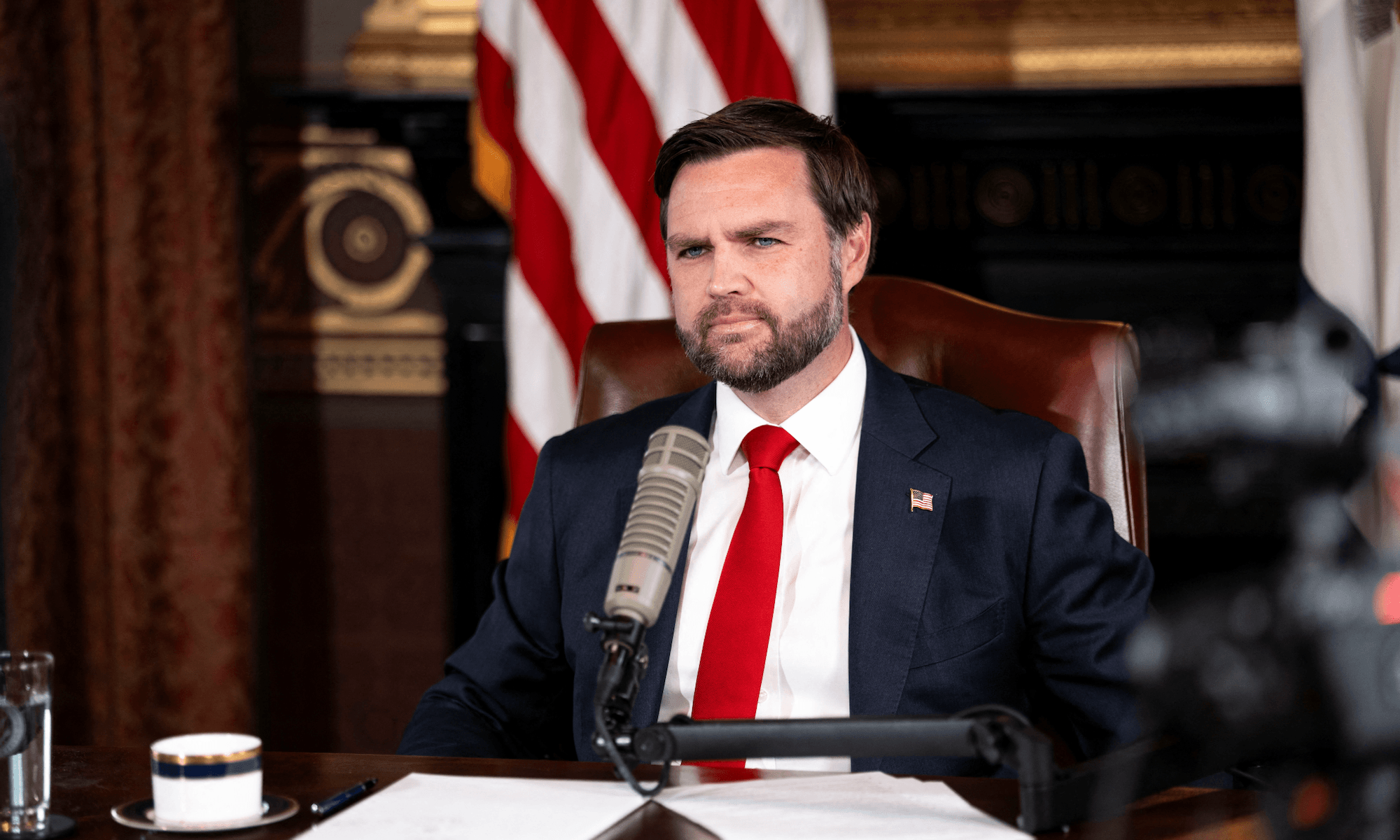
Vice President JD Vance is facing an unprecedented barrage of online attacks from within his own party, with his allies insisting the criticism represents a coordinated operation designed to poison his political future as he considers running for president in 2028, according to a report in the Washington Post.
Detractors have adopted the "Never Vance" slogan and flooded social media with attacks claiming Vance is "unfit" to be vice president due to his efforts to negotiate a peace deal with Iran. Critics have asserted, without evidence, that he's making policy decisions unsupported by President Donald Trump and have compared him to Barack Obama and Bernie Sanders.
The intensity and timing of the hostility are unusual. Unlike previous vice presidents who faced sustained criticism only late in their terms—or in Mike Pence's case, not until after the 2020 election dispute—Vance is enduring a full-scale ideological revolt from prominent conservatives two years before Republicans will select their 2028 nominee. The phenomenon reflects social media's central role in modern political discourse and the high stakes of the succession race.
Vance's allies dismiss much of the online onslaught as inauthentic. A close adviser told the Washington Post that many attacks are clearly "not organic," a sentiment echoed by two others with knowledge of Vance's strategy. Notably, some users pledging to oppose Vance had profiles suggesting they aren't American voters, raising questions about foreign coordination.
Despite the social media firestorm, Vance remains the front-runner in 2028 Republican primary polling. His team argues the criticism actually strengthens his position by signaling to conservative voters that establishment Republicans and self-described neoconservatives oppose him—a benefit for an anti-establishment candidate.
"Loud Washington establishment voices form an online cacophony," said conservative commentator Steve Cortes, a Vance supporter, "but they do not remotely represent the consensus views of Republican voters."
The attacks intensified following Vance's July 15 appearance on Joe Rogan's podcast, where he described himself as a "reasonable moderate" on Israel and claimed he was being attacked "in dishonest ways" by paid influencers. Vance cited a Time report about a pro-Israel influence operation run by a former Trump campaign official.
"You know, my response to that is, 'Well, go to hell,'" Vance told Rogan. "I'm going to do what I have to do for the American people."
Pro-Israel conservatives erupted. A Washington Post analysis found that criticism spiked immediately after the podcast, with prominent commentators including Ben Shapiro, Marc Thiessen, and Batya Ungar-Sargon posting attacks alongside lesser-known influencers.
One Vance supporter, Jon Schweppe of the American Principles Project, posted a chart showing Vance's favorability among Republicans remained steady despite the "anti-Vance op." The post immediately drew dozens of hostile replies from accounts that didn't follow him—a pattern Schweppe found suspicious, since the post hadn't been shared by high-follower accounts.
"There's going to be folks within the party structure, within the influencer structure, who are going to try to knock him down a few pegs in hope that a challenger can emerge to beat him," Schweppe said. "But it's absolutely organized."
Secretary of State Marco Rubio, the traditional Republican favorite, has gained ground in recent months, though he's pledged to support Vance if he runs. The knives were out for Vance before Trump even selected him as running mate—hawkish donors and conservative media figures initially lobbied for Rubio or Doug Burgum instead.
Marc Short, former chief of staff to Mike Pence, acknowledged that attacks on Vance are far more intense than what Pence endured. The difference: Vance has publicly signaled policy differences with Trump on Iran, whereas Pence maintained absolute alignment. Trump has confirmed Vance is "philosophically a little bit different" on Iran and "maybe less enthusiastic about going" to war.
Vance's favorability among Republican voters currently tracks Trump's image closely, and his team remains dismissive of the social media assault's electoral impact. A spokesman said Vance's "only focus is fighting for the president's agenda and delivering wins for the American people," and that he is "not concerned with social media."