DOJ defends Epstein files delay as lawmakers rush to hold officials accountable
30 December 2025
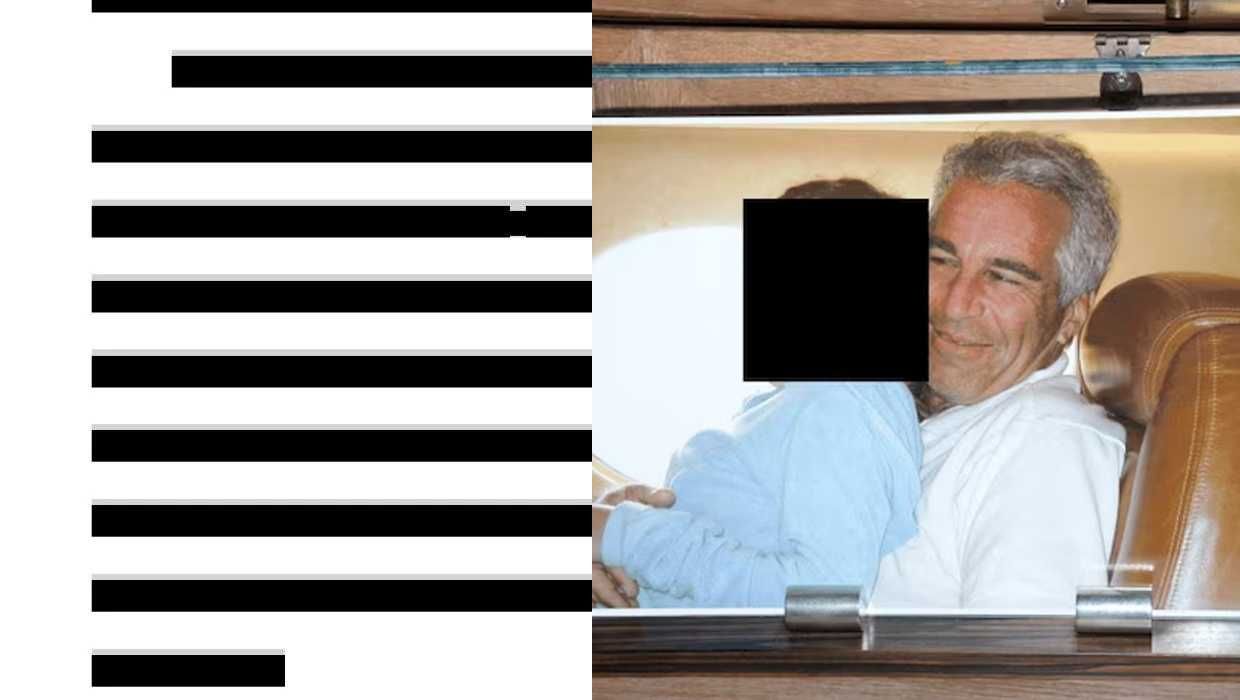
Pages of redactions of the Jeffrey Epstein investigation files (Photo: Justice Department release)
Senate Minority Leader Chuck Schumer (D-N.Y.) is moving forward with legislation that will issue consequences for the Justice Department after it failed to meet the deadline to release all of the investigation files around the Jeffrey Epstein probe, Fox News reported Tuesday.
Under the law, the DOJ had 30 days to create a searchable database by Dec. 19. While some documents were published and others followed, there is still information missing from the release.
Deputy Attorney General Todd Blanche claimed that a "well-settled law" saves them from the transparency bill, because it demands redacting identifying information about victims.
Even doing that has proved difficult for the DOJ. One Epstein survivor, Danielle Bensky, told MS NOW that she saw Prince Andrew's name redacted while victim Virginia Giuffre's name was not. Andrew, who has since lost his royal title, was one of at least ten co-conspirators whose names were protected.
Blanche told Congress the DOJ would decide how it was going to be disseminated, saying "rolling productions" aligned with court precedents on transparency laws. That hasn't been sitting well with those demanding the docs.
"The law Congress passed is crystal clear: release the Epstein files in full, so Americans can see the truth," Schumer argued. "Instead, the Trump Department of Justice dumped redactions and withheld the evidence — that breaks the law."
Reps. Ro Khanna (D-Calif.) and Thomas Massie (R-Ky.), who authored the Epstein release bill, threatened that they'll go after contempt of Congress hearings against Attorney General Pam Bondi given they missed the deadline and have done "over-redactions." Only the victims' names were supposed to be redacted, but there were full pages of content that were blacked out.
The one barrier to a contempt of Congress charge, however, is that Congress recommends the charge to the Department of Justice for prosecuting. It's unclear what happens if the accused oversees their own decision whether or not to prosecute.
One option is to refer the case to the Justice Department Inspector General's Office, some Democrats have suggested. In his first week of office, Trump conducted a purge of many inspectors general, however, Department of Justice Inspector General Michael Horowitz was not among those fired.