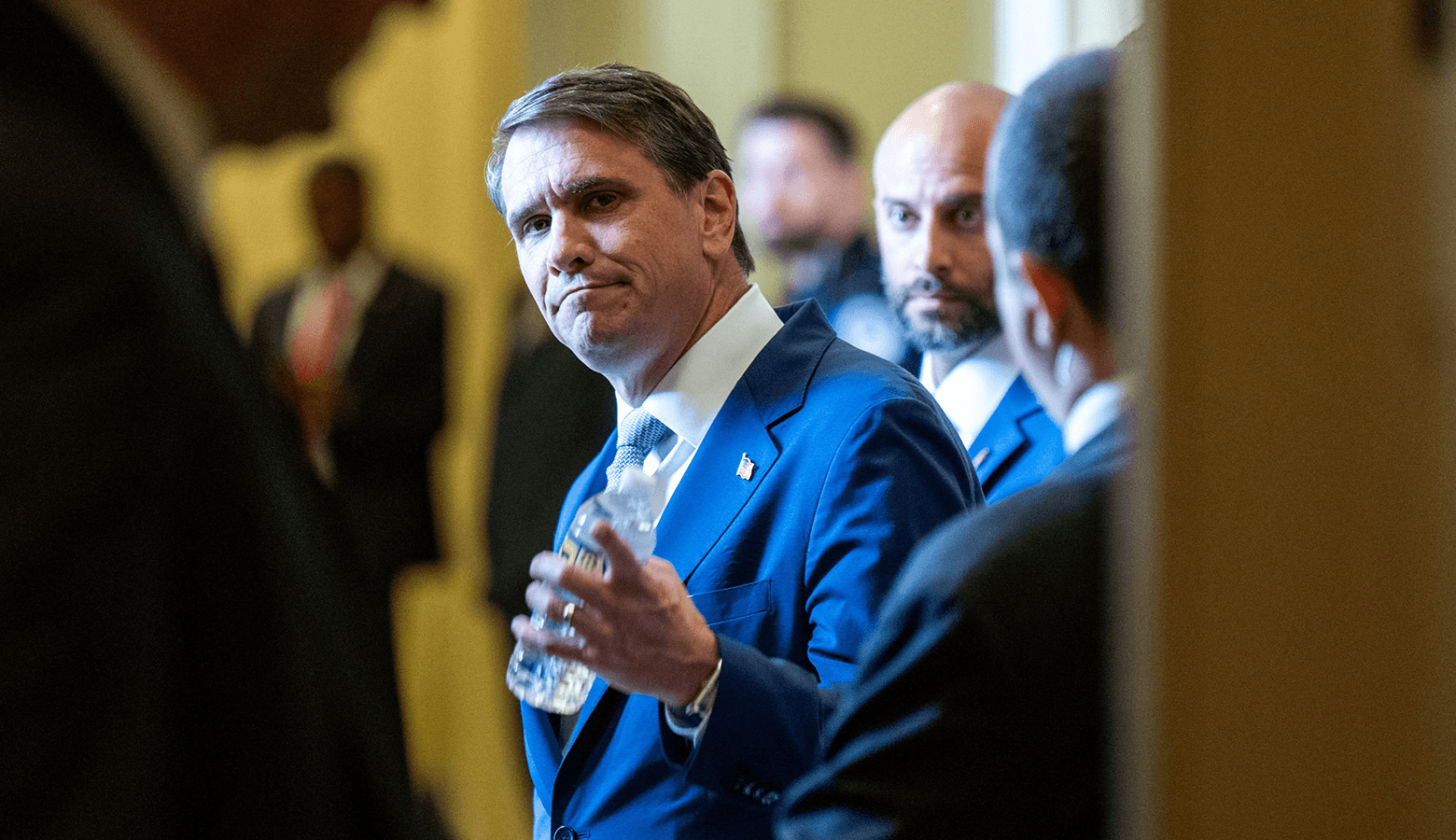
Acting U.S. Attorney General Todd Blanche exits a meeting with Senate Republicans on Capitol Hill in Washington, D.C., U.S., May 21, 2026. REUTERS/Annabelle Gordon
Acting U.S. Attorney General Todd Blanche exits a meeting with Senate Republicans on Capitol Hill in Washington, D.C., U.S., May 21, 2026. REUTERS/Annabelle Gordon
Judge Emmet G. Sullivan told the Justice Department's assistant U.S. attorneys in court on Thursday that he's not afraid to hold them in contempt.
The case involved whether the DOJ fully released all of the documents in the investigation for Jeffrey Epstein.
The judge made it clear that he expected the DOJ to come prepared to answer all of his questions about what documents were withheld from publication and why.
What was ultimately discovered is that the DOJ didn't publish many of the handwritten notes from the interviews with witnesses and Epstein survivors.
It did produce some of them; however, one former prosecutor pointed out on BlueSky.
Sitting in court relaying what was unfolding, legal analyst Allison Gill posted on social media the exchanges capturing the final outcome.
After a short break, the judge returned to the bench and explained, "The court is going to request a proposed order from the plaintiff for an in camera review of the handwritten notes."
He said he wants to know whether they are redundant.
Lawyer Katie Phang has complained that the DOJ should be held in contempt for not following the court's order to release all of the documents.
"Relax," the judge responded. "No one is in contempt. I think now is a good opportunity to discuss that topic in general terms."
"Is ten days sufficient? Thank you. The pending motions will be resolved in due course," the judge said.
That said, the judge told a story that lasted about 30 minutes, "telling a story of the one time he had to hold DOJ lawyers in contempt. He says he's done it before, and he'd rather not do it again, but he will if he needs to.
The story was about Sen. Ted Stevens, a former Republican from Alaska. He said that he thought it would be a traditional trial. It was far from it, Gill relayed.
"He was blowing the whistle loud and clear on the government. Individuals had concealed information that the government had an obligation to produce. It was alarming. About 33 or 34 documents, and everyone agreed that the defendant should have those I issued an order for the government to produce them. We had an interim hearing, and I said I assumed that the government had handed over the documents. Defense counsel, who had previously filed a motion to hold DOJ in contempt, said he hadn't received anything," the judge recalled.
The judge said it was clear the DOJ hadn't followed his orders. He told the lawyers that he had no choice but to hold them in contempt. He's not afraid to do it again, he said.
"It's not a threat, it's a promise," the judge said.