George Conway mocks GOP after Lindsey Graham makes bizarre claim of 'checkmate'
05 May
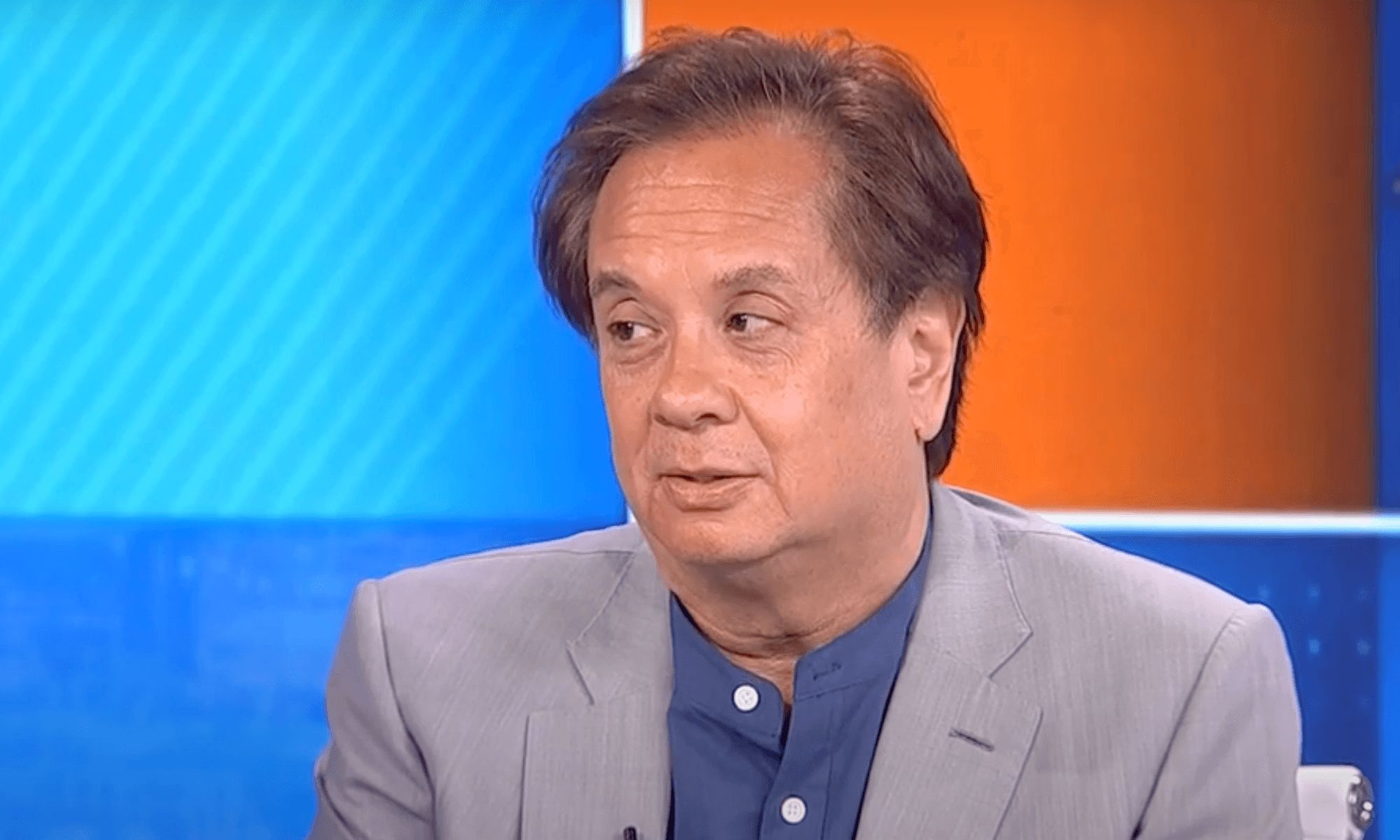
George Conway (Photo: Screen capture)
Congressional candidate, Lincoln Project co-founder, and Donald Trump foe George Conway needled the president and Sen. Lindsey Graham (R-S.C.) for the Iran war failure.
Graham spoke to Fox News on Monday, commenting, "If we can take back control of the Strait of Hormuz, it is checkmate. This thing is over."
Conway responded, "Interesting. This must be a new kind of chess where you compete to put the pieces back where they were before you smacked them off the board."
The Strait of Hormuz was open before Trump started the war.
The New York Times' Zolan Kanno-Youngs quoted GOP strategist Matthew Bartlett, a former State Department official who worked in the first Trump administration, who said things have only become worse in the first 60 days of the war.
“The messaging has been more than a mess,” Bartlett said. “It’s worth noting this week the political, economic, and even diplomatic aspects continue to get worse. The trajectory was down across the board and that is not a good thing as we dive into another week and even month of war.”
Indeed, the Trump goal appears to be to return to the way things were before the bombing campaign. Last summer, Trump announced that they had obliterated Iran's nuclear program, which has prompted questions from Democrats about why it was necessary to launch a war against Iran.
Rep. Adam Smith (D-Wa.) told CNN Friday that Secretary of Defense Pete Hegseth appears to want to repeat over and over that Iran can't have a nuclear weapon.
"The logic problem here is that Pete Hegseth thinks he can say Iran having a nuclear weapon is bad, therefore whatever we do is good," Smith said. "There's actually quite a few steps between those two things."
The Joint Comprehensive Plan of Action (JCPOA), which Trump ended in 2018, was the solution that President Barack Obama's administration crafted instead of risking another Middle East war. It's unclear a new deal is even possible give another president could withdraw from it just as Trump did.
Writing for Lawfare, RAND's Raphael S. Cohen explained that since the agreement was signed, so much has changed about Iran's status in the Middle East.
"Despite ... headwinds, the administration may be able to pull off a better deal. It may want to demonstrate to the U.S. public that it has exhausted all viable alternatives before backing the use of force. Or the Trump administration may decide that, despite whatever faults a new deal may contain, making a deal is still preferable to potentially messy military action. If so, the JCPOA—the decade-old political lightning rod—will have exacted its revenge," said Cohen.