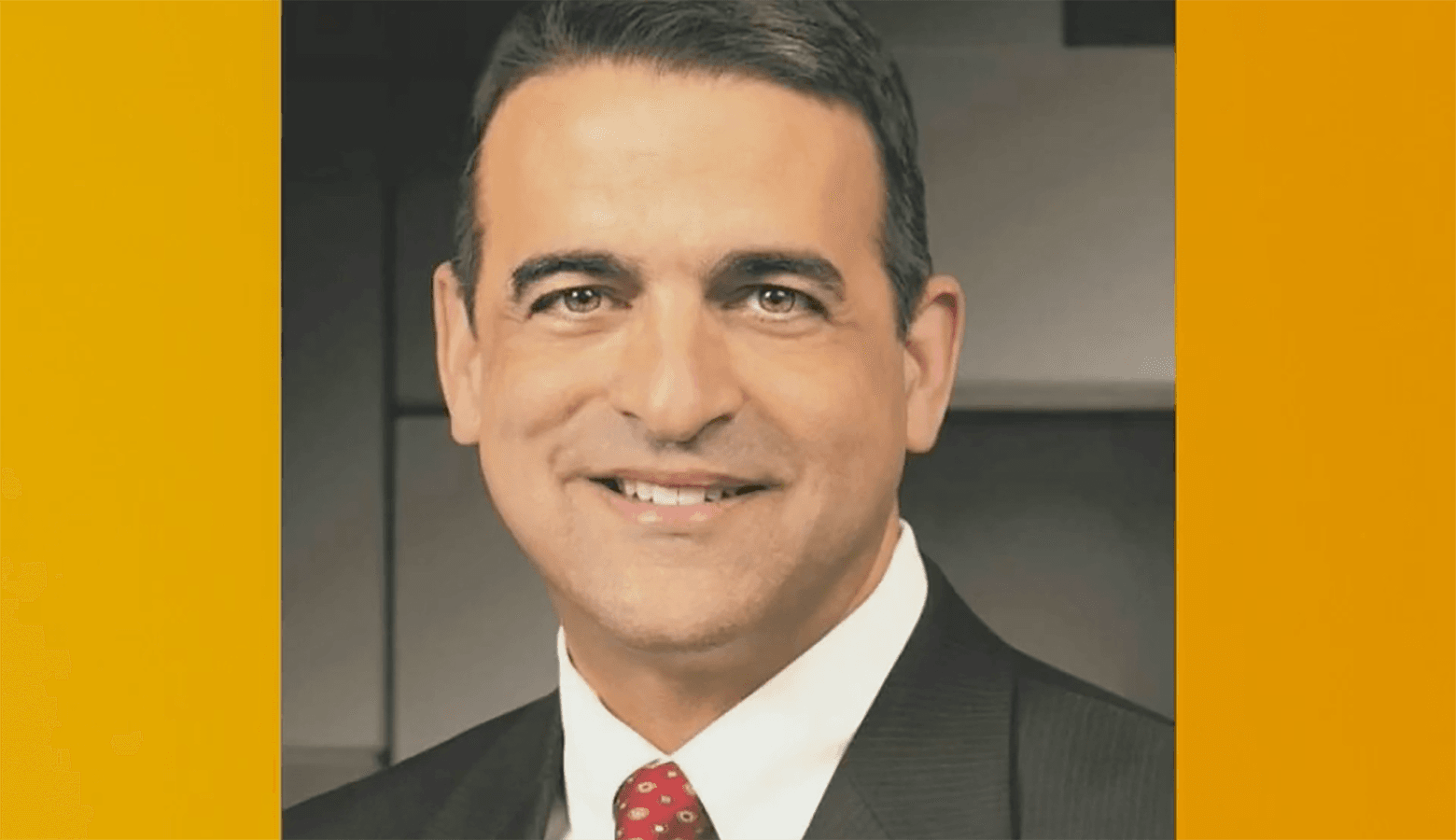
University of Minnesota Law School alum Daniel Rosen, Image via Screengrab.
Minnesota U.S. Attorney Daniel Rosen and a representative of U.S. Immigration and Customs Enforcement were summoned to court on Tuesday, where a judge will decide whether or not Rosen should be held in contempt of court. The first half of the morning proceedings, however, involved the attorney getting into it with the presiding judge.
The Minnesota Star Tribune reported that the order is connected to a combination of 28 other cases over wrongful-detention accusations. There are more than 1,000 petitions that have been filed by detained immigrants in local courts and the backlog is frustrating judges, who are in turn issuing "rare rebukes" of Justice Department prosecutors and threats of contempt.
Such was the case with Rosen, who appeared before the judge on Tuesday morning. Local community lawyer Daniel Suitor noted in a thread on the hearing that it didn't begin well. Rosen "introduced himself to some members of the media and then asked to be let into the courtroom early."
That request apparently wasn't granted as Rosen ended up "stand[ing] awkwardly at the door, waiting." He took a photo of Rosen's nose mere inches from the door.
Once the hearing began, Judge Jeffrey Bryan demanded that the government provide evidence of cause for the office's failure to comply with his court orders. The main case is about the court's demand for federal agents to return the property of a person detained and swiftly rushed off to Texas. Once the person was released, he wasn't given back his identification and other documents.
Suitor said that Rosen wasn't cooperating from the beginning, dodging Judge Bryan's questions about who was at risk of contempt.
Judge Bryan said it could be Rosen or Assistant U.S. Attorney Tony Fuller. Bryan said it would be a low point in history to hold the attorneys in contempt, recounted Suitor.
"Rosen is fighting with Bryan. Says he and Fuller have been smeared," Suitor posted in an ongoing BlueSky feed. "Bryan orders him to stop talking over him, denies permission to respond to those alleged remarks, orders him to answer what's asked. Rosen, after some evasion, admits that no one is contesting receipt of the orders in question.
He said that Rosen then gave a big "colloquy" where it became clear that Rosen didn't want to answer questions that involved him admitting that the court has the authority to order contempt. Finally, Rosen acquiesced. He said that generally that's the case, but disagrees that it is in this instance.
Judge "Bryan asks whether Rosen is arguing on his clients' behalf whether habeas relief even exists anymore," said Suitor.