'I don't think I can vote Republican anymore': Trump agenda killing support in red state
31 March
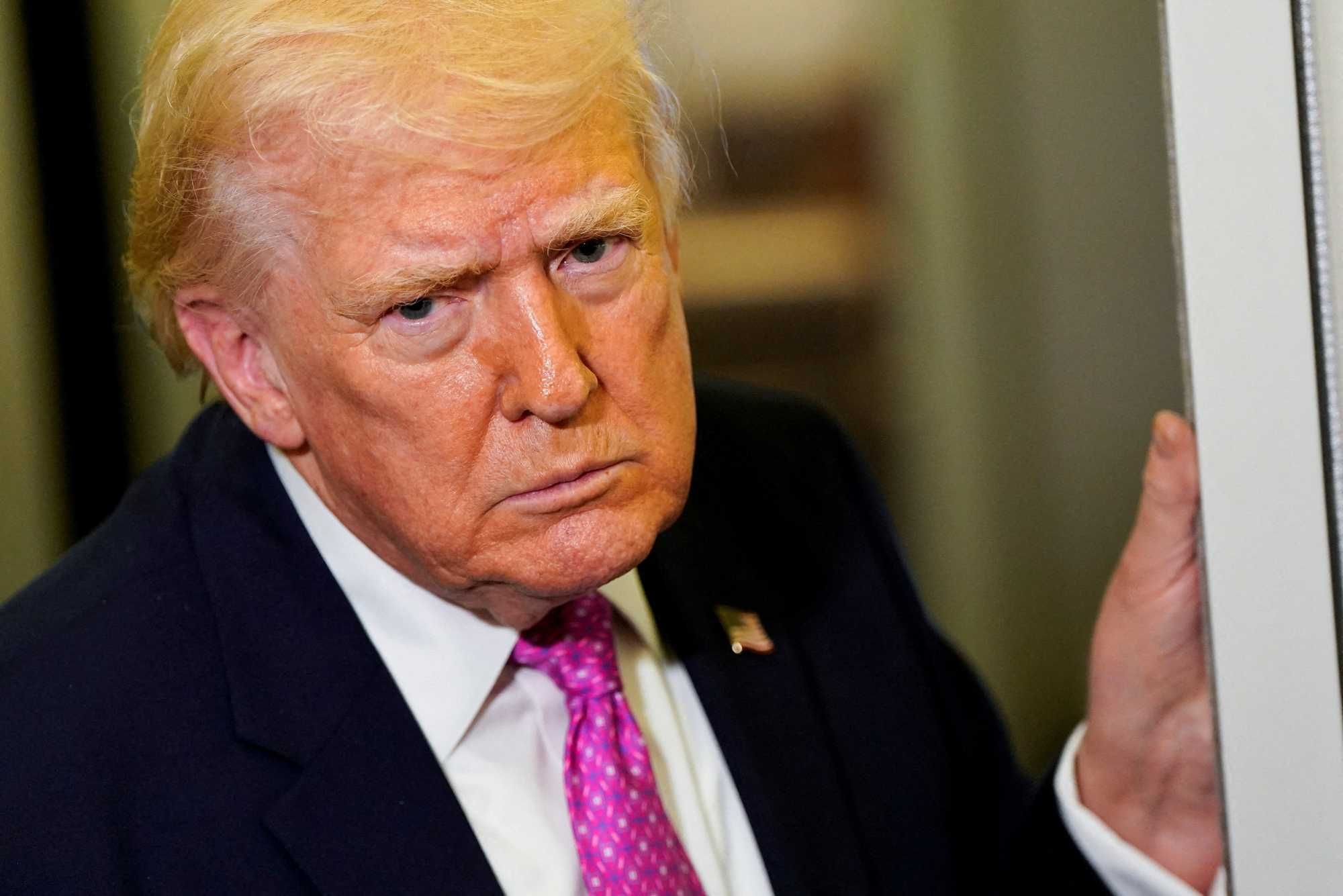
U.S. President Donald Trump aboard Air Force One, March 29, 2026. REUTERS/Elizabeth Frantz
For decades, Democratic strategists have envisioned Latinos as the key to making Texas a blue state — or at least a swing state. But so far, that hasn't happened. Nationwide, Donald Trump won 46 percent of the Latino vote in 2024; in Texas, according to the Texas Tribune, he carried 55 percent of Latino voters.
For Trump, immigration wasn't the liability among Latinos that Democrats hoped it would be. Many Latinos, include those in Texas, told pollsters that they wanted secure borders and had no problem deporting people who were in the country illegally and committed crimes. But according to the New York Times, the immigration issue is now hurting Trump among Latinos in Texas and other states.
This Wednesday, April 1, the U.S. Supreme Court is scheduled to hear oral arguments in the case Trump v. Barbara — which finds Trump defending an executive order declaring birthright citizenship illegal. Trump's critics, in the case, are arguing that he had no business issuing that order, as birthright citizenship is protected by the U.S. Constitution's 14th Amendment.
In an article published on March 31, Times reporter Jazmine Ulloa stresses that Latinos in South Texas — including those who voted for Trump in 2024 — strongly support birthright citizenship.
One of them is 62-year-old Samuel Garza, who voted for Trump in 2016, 2020 and 2024 but, according to Ulloa, "became dismayed when Mr. Trump signed an executive order last year seeking to restrict automatic citizenship for babies born in the United States to parents who are not citizens or legal permanent residents."
"In interviews with more than two dozen Latino Republicans," Ulloa explains, "almost all of them supported the right of citizenship upon birth on U.S. soil, which many saw as a fundamental tenet of the American Dream. Some expressed concerns about potential abuse, including by undocumented immigrants, but did not necessarily support eliminating the right altogether. Historically, Latino Republicans have been more supportive of birthright citizenship than non-Hispanic white Republicans, according to polling. That right has been central to questions of identity and belonging along the southern border, where the line defining who is American has shifted — figuratively and physically — over time."
Ulloa adds, "As the birthright debate has heated up, some Latino Republicans in the region said the Trump Administration's efforts to restrict the right added to their wider frustrations over how the president has carried out his immigrant detention and deportation campaign."
Garza told the Times, "I don't think I can vote Republican anymore."
Santiago Manrrique, a Latino Republican in South Texas, told the Times, "If you are born in the United States, you are a citizen — it's pretty clear in the 14th Amendment."
But Latino Republicans in Texas, Ulloa reports, fear that if the High Court agrees with the Trump Administration in Trump v. Barbara, an "emboldened administration could enable federal authorities to strip citizenship from Mexican-Americans retroactively."
Erica Hinojosa, a 49-year-old Mexican-American in South Texas, told the Times, "It would be a mess."