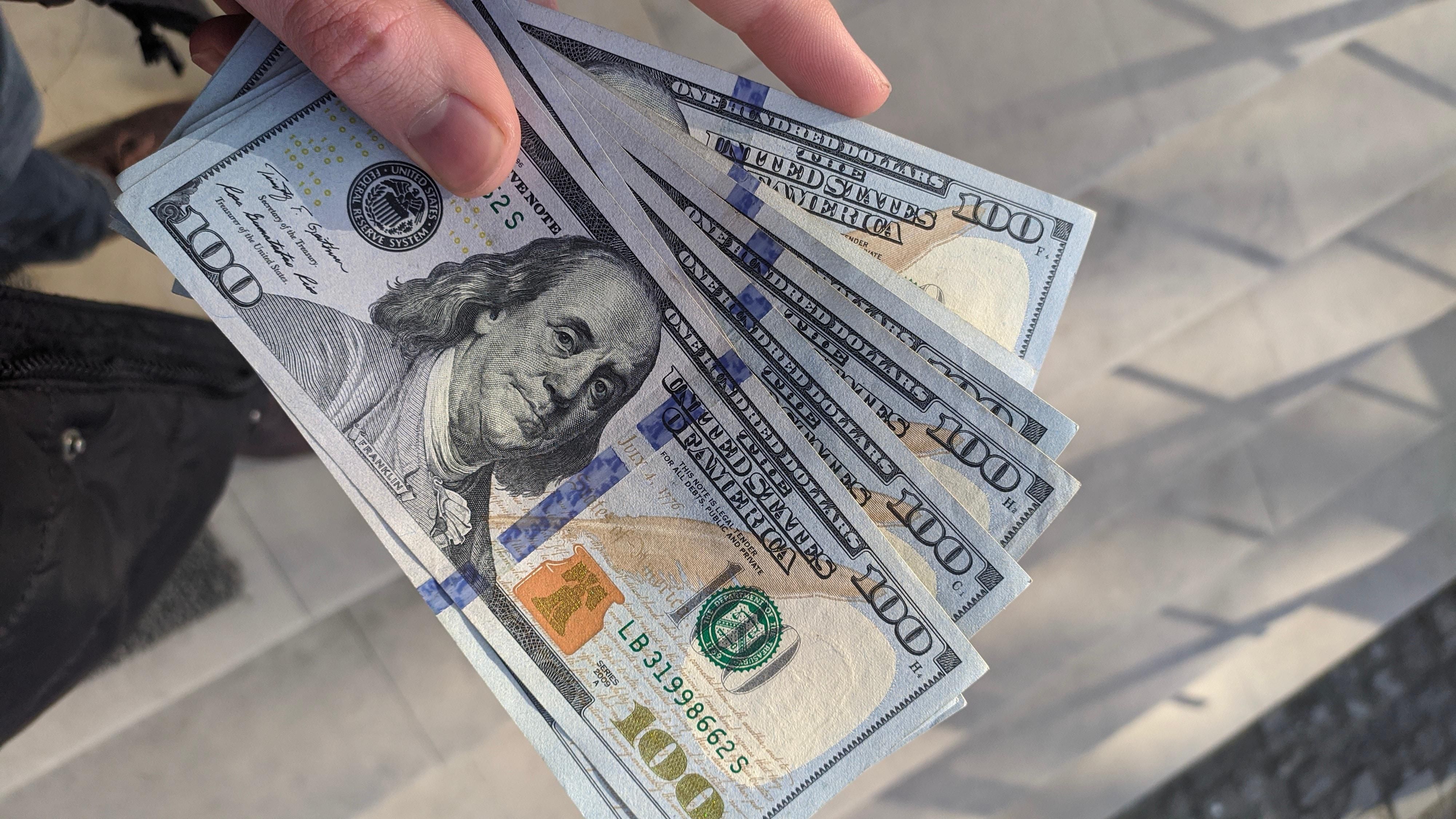
$100 U.S. dollar bill. Photo by Frederick Warren on Unsplash.
President Donald Trump talked a big game about his policies bringing bigger tax returns to all Americans, but according to a Tax Day report from NPR, those promises have fallen flat as taxpayers report mostly "lukewarm" changes.
The outlet on Wednesday reported on a picnic gathering in Birmingham, Alabama, where the topic of conversation eventually shifted towards tax returns. Despite lofty promises from the Trump administration, "nearly everyone at the gathering responded with a chorus of lukewarm just fines." While some of the returns that attendees received were still quite high, they were not much different from last year, with one couple stating that they only planned to "go to a nice restaurant," potentially, and put the rest of their return in savings.
"This is not the vibe Republican lawmakers were planning for this tax season," NPR explained. "The White House had already declared this the 'largest tax refund season in U.S. history,' and so far it's on track to be, due to the Republicans' signature tax and spending law, the One Big Beautiful Bill Act. The White House projected the average refund 'to rise by $1,000 or more this year.'"
The report continued: "But that extra refund bump has fallen short of that projection. So far, the average refund has totaled about $350 more than last year. By early April, the average tax refund sat at $3,462, which is 11.1 percent higher than the same point last year, according to the IRS."
As a result, Trump's big tax promises have largely been met with taxpayers "shrugging their shoulders," at best. A survey conducted by the Bipartisan Policy Center, a think tank devoted to federal policy, found that 62 percent of respondents said that Trump's tax policy changes had either hurt them financially or had no effect. Even among the president's Republican supporters, only 35 percent said that the changes had given them a boost.
"There's a bit of a disappointment in how much those refunds are," Tom O'Saben, the director of tax content and government relations at the National Association of Tax Professionals, told NPR. "People are quietly, perhaps, happy, but not to the extent where I would call it significant."
One factor that might be causing these lukewarm results is the fact that Trump's new policies appear to more heavily favor people who end up owing money when they file, instead of being owed money by the government, which tends to leave less of an impact on people than getting a boost to their return.
"The evidence is stronger that more tax relief is relatively flowing to those who otherwise would owe when they file," Don Schneider, deputy head of U.S. policy at the investment bank Piper Sandler, explained to NPR. "Getting it in a refund is probably more impactful, more easy to understand than having a reduction in what you otherwise would owe."