Hunters tear apart Trump admin's 'blatant misinformation' in monuments' fight
17 July
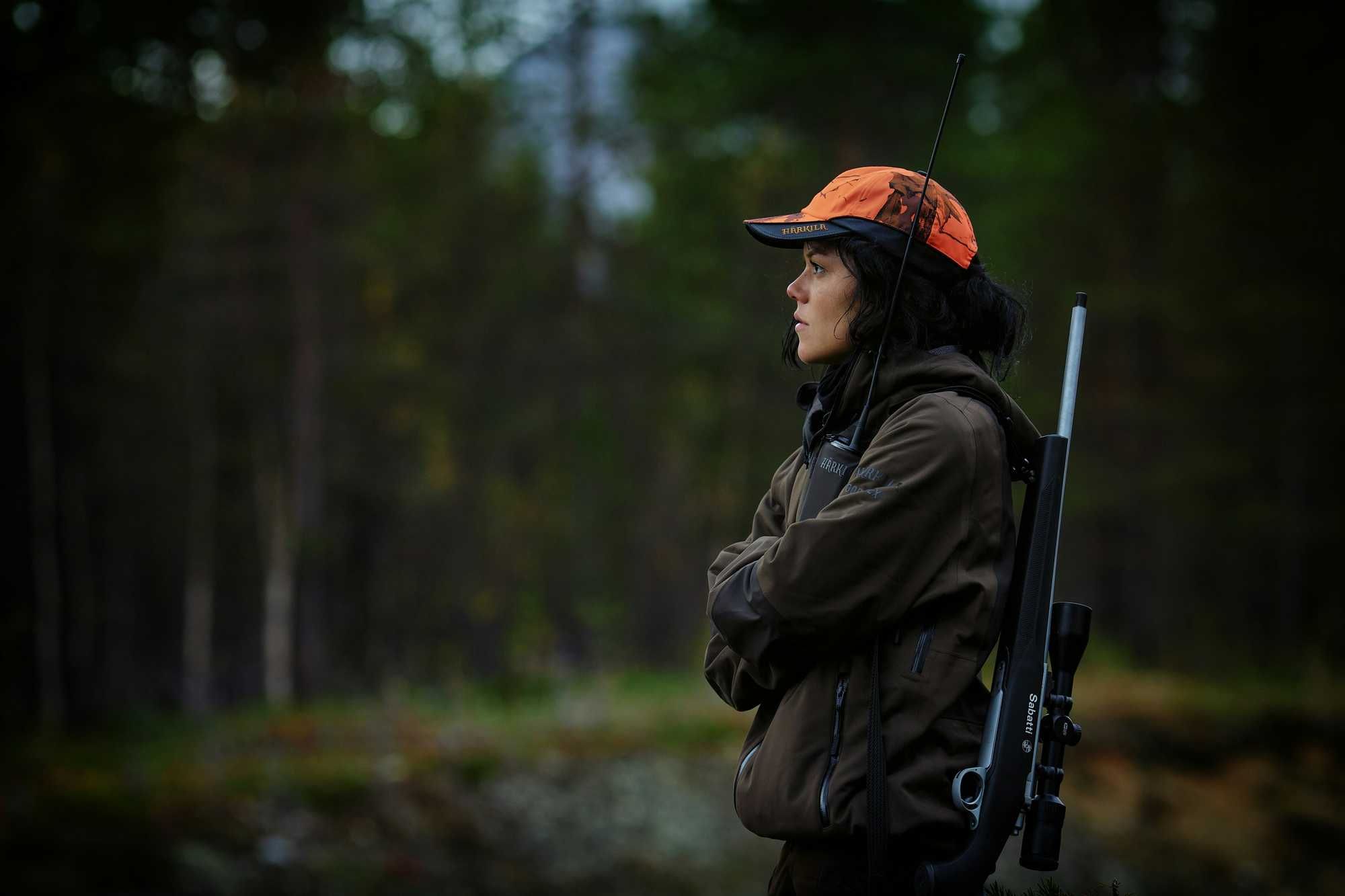
woman carrying hunting rifle in woods
Hunters and anglers in the western United States anticipated that President Donald Trump would shrink two Utah national monuments again during his second term. When that happened Monday, many of them wanted details of how millions of acres now outside the monuments’ bounds be managed, down to issues of weed control and wildfire prevention.
Instead, they’ve found themselves fact-checking Trump on the basics of his two orders slashing the size of Grand Staircase-Escalante and Bears Ears national monuments in southern Utah by about 90%.
GET THE MORNING HEADLINES.
Surrounded by Utah’s congressional delegation, Gov. Spencer Cox and Utah House Speaker Mike Schultz, Trump said Monday before signing the orders that in the monuments, “you can’t do anything. You can’t go hunting. You can’t go fishing. You can’t do anything. You can virtually not even walk on it.”
“That’s exactly right, sir,” Deputy Interior Secretary Kate MacGregor replied. “So you are remedying that today.”
In reality, hunting and fishing are both allowed in the two monuments, though the activities are banned in Utah’s five national parks, as spelled out in the state hunting guide. Hiking is permitted in all of them.
In response to Trump’s comments, the Montana-based nonprofit Backcountry Hunters & Anglers issued a call for “facts over politics” in the public lands debate.
“It fails the basic level of respect that we deserve as citizens of the United States. These are our public resources stewarded on our behalf,” said Ryan Callaghan, president and CEO of the nonprofit Backcountry Hunters & Anglers. “It’s not much to ask that our officials know what is entailed on those resources when they go and make a big decision like this.”
He said the “blatant misinformation” distracted from nuanced questions, including about how federal and state agencies would plan and protect wildlife habitat from the effects of higher road traffic and increased mining operations that Trump’s orders may bring.
Supporters of the president’s decision to downsize the monuments, including the governor and the state’s all-Republican congressional delegation, said it will improve public access while providing more targeted protection for valuable sites. They argued the original boundaries were too expansive.
Utah. Rep. Celeste Maloy praised the president Monday for “listening to the people of Utah and saying, ‘We know you value this land, you want it used for multiple use and not locked up.”
Callaghan said his organization, which counts roughly 35,000 dues-paying members, is nonpartisan. He told Utah News Dispatch he sees national monuments as another layer of protection for public lands as the Trump administration has sped up permitting for certain mining projects and moved toward ending a “roadless rule” limiting construction and timber harvests on national forest land.
Caleb Stroh, 43, of Kaysville, agreed. Stroh said he likes to hunt turkeys within the Bounds of Bears Ears National Monument in the spring, calling the environment “pristine and quiet.”
“When you start adding those other factors, like, you know, gas exploration or metal extraction, or … saying,’Well, we need a road right up this canyon, so everybody can access it in the sense of on a four-wheeler or whatever.’ Then those all those wonderful things that so many of us enjoy about hunting go right out the window,” Stroh said.