'Aberrational': Former judge stunned at DOJ’s 'unprecedented' string of grand jury defeats
16 February
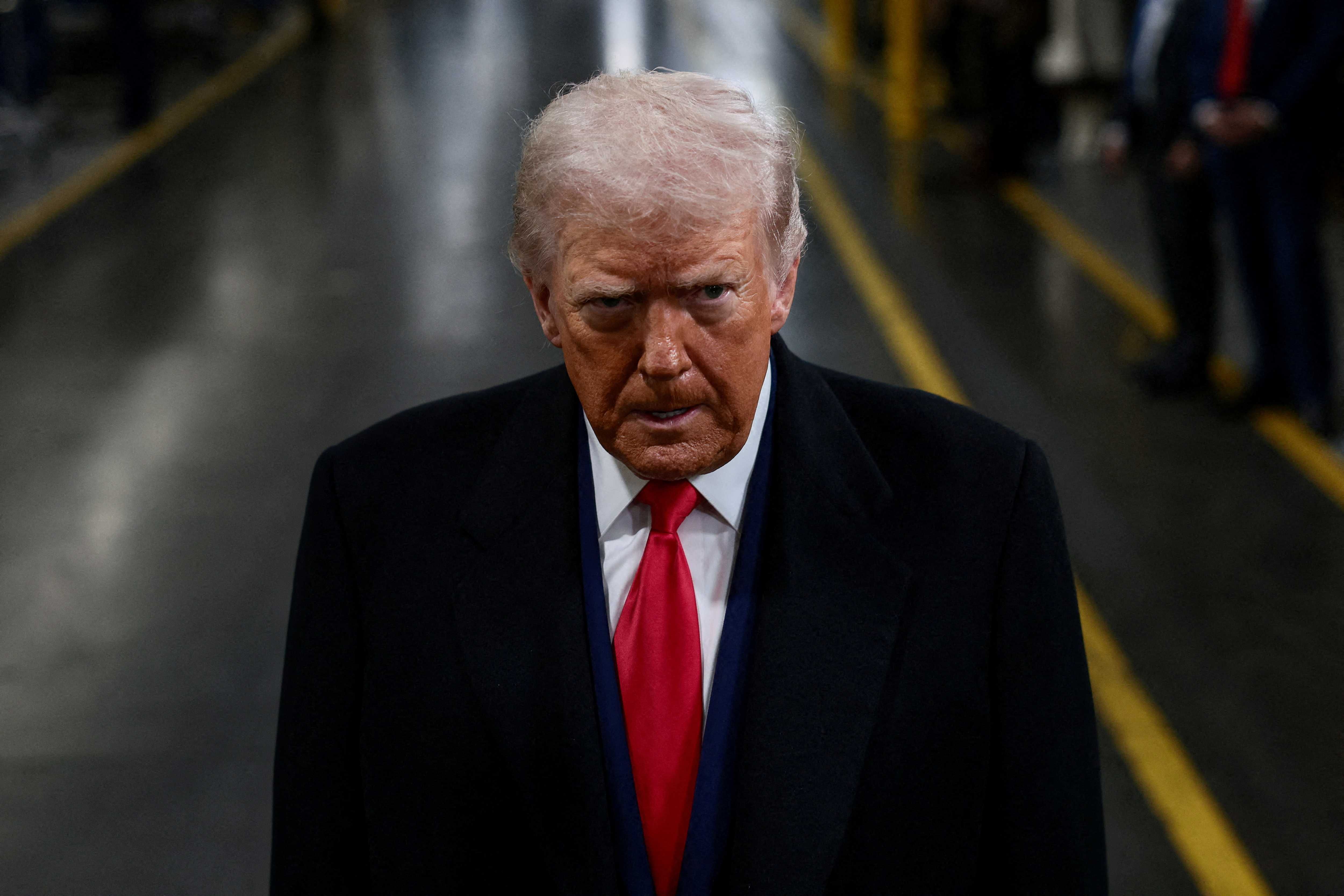
President Donald Trump in Dearborn, Michigan, January 13, 2026. REUTERS/Evelyn Hockstein
Donald Trump and his administration are increasingly being held back from their broader goals by everyday citizens in court, and according to one former federal judge speaking with Salon, these rebukes are an "unprecedented" change in legal norms.
In the modern American legal system, grand juries are a special sort of jury convened to either approve or deny a prosecutor's request to bring significant criminal charges against certain parties. Grand juries notably voted to indict Trump on criminal charges in the four legal cases he faced prior to his reelection.
In general, legal experts have said that it is extremely common for grand juries to approve indictments, as they are merely determining whether there is "probable cause" for charges, not whether or not the accused parties are guilty or innocent. Despite that, the Trump administration has faced a striking trend of grand juries refusing to sign off on criminal charges it has attempted to bring against its perceived enemies.
Grand juries in Washington D.C., last year refused to indict the man who threw a Subway sandwich at law enforcement officers taking part in Trump's mobilization in the city. More recently, grand juries also refused to bring charges against a group of six Democratic lawmakers who stoked the ire of the administration by appearing in a video reminding military members of their obligation to disobey illegal orders.
On Monday, Salon published an interview with John E. Jones III, a former federal judge and president of Dickinson College, in which he explained just how "unprecedented" this string of grand jury defeats is, calling even one failed indictment almost unheard of during his own legal career and breaking down what it takes for such a decision to be reached.
"It’s unprecedented, although we now see a wave of grand juries pushing back against the government," Jones said. "I don’t recall a single instance, during the almost 20 years I served as a U.S. District judge, when a grand jury refused to return a true bill, an indictment. It just is completely aberrational."
He continued: "The grand jury would have to totally reject the whole premise of the case that’s being presented to them by the United States attorney because, remember, there are typically no witnesses appearing before the grand jury to dispute the facts. The grand jury is clearly saying, 'Even accepting the facts you’re putting before us as true, we don’t think under these circumstances this case is worthy of a federal indictment.'"
Jones further explained that, in addition to grand jury indictments being common due to the lower "probable cause" threshold, they are also common because they are more "one-sided" arguments, with only prosecutors present.
"There are no defense attorneys present. There’s a court reporter, the grand jury, the United States attorney, and such witnesses as the United States attorney decides to call," Jones explained. "While the target of a grand jury can endeavor to present witnesses, including themselves, that generally never happens because of the danger of self-incrimination."