The hidden 'pretext' Trump will use to steal the midterms: voting rights expert
20 March
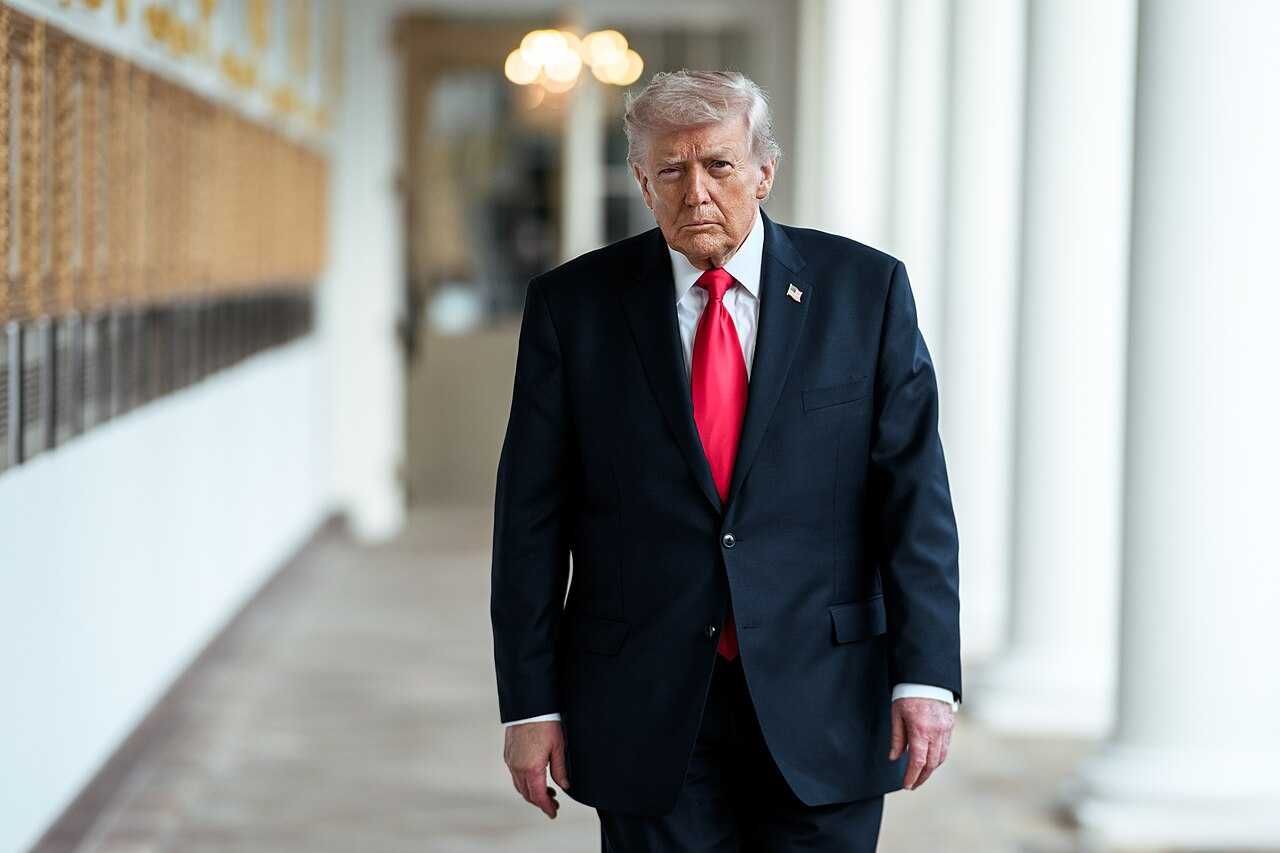
President Donald Trump on March 5, 2026, in the East Room of the White House. (Official White House Photo by Daniel Torok/Flickr)
President Donald Trump on March 5, 2026, in the East Room of the White House. (Official White House Photo by Daniel Torok/Flickr)
Under federal law, only U.S. citizens can vote in federal elections. And individual states have their checks as well, requiring people who register to vote to declare, under penalty of criminal prosecution, that they are citizens. This means that residents of the United States who are legally living and working in the country but haven't become naturalized citizens cannot vote.
President Donald Trump claims, without evidence, that people who are in the country illegally are voting in big numbers. And he is pressuring Congress to pass the Safeguard American Voter Eligibility Act (SAVE Act or SAVE America Act), a controversial bill that, if passed by Congress and signed into law by Trump, would require proof of citizenship in order to register to vote.
Critics of the bill consider its requirements onerous. Under SAVE, a regular driver's license would not prove citizenship — one would also need another form of identification such as a U.S. passport or a birth certificate.
The Atlantic's Russell Berman examine objections to the SAVE Act in an article published on March 20. Some of them are coming from voting rights experts like Protect Democracy's Alexandra Chandler, who views SAVE as an attempt at voter suppression ahead of the 2026 midterms.
Chandler told The Atlantic, "It's a pretext for the next authoritarian escalation…. When his allies lose elections, it's a talking point: 'You didn't pass the legislation that would have solved this fake problem, and therefore the election results are not valid.'"
Trump, Berman notes, is calling for elections to be "nationalized" even though the U.S. Constitution clearly states that individual states must handle administration of elections.
"Chandler and others we interviewed see the Senate's high-profile debate as one episode in a broad, sustained, coordinated effort by the White House to seed doubt in American elections ahead of what Republicans believe could be steep losses this November," Berman reports. "This, she said, would follow a pattern that Trump set both before and after his 2020 loss: before the election, manufacture a crisis upon which he can then blame defeat…. Both Trump and the bill’s Democratic critics have characterized the proposal as an overt attempt to swing future elections in the GOP's favor."
Berman notes that the SAVE Act, under the rules of the filibuster, is facing an uphill battle in the U.S. Senate. But Chandler told The Atlantic that regardless of the bill's ultimate fate, "We're taking it seriously for what it is, which is not necessarily just an effort to pass a bill."