For many years, Canada and the United States enjoyed a mutually beneficial relationship. Canadian visitors spent money in Seattle and Boston; U.S tourists patronized businesses in Montreal, Toronto and Vancouver. And Americans in real estate spent a lot of money on the building and construction materials imported from Canada.
But during U.S. President Donald Trump's nonconsecutive second term, his policies have been a persistent source of frustration for Canada — from tariffs to Trump wanting its neighbor to the north to become "the 51st state." Canadian Prime Minister Mark Carney is adamant in saying that Canada is a sovereign nation that has zero desire to become part of the United States.
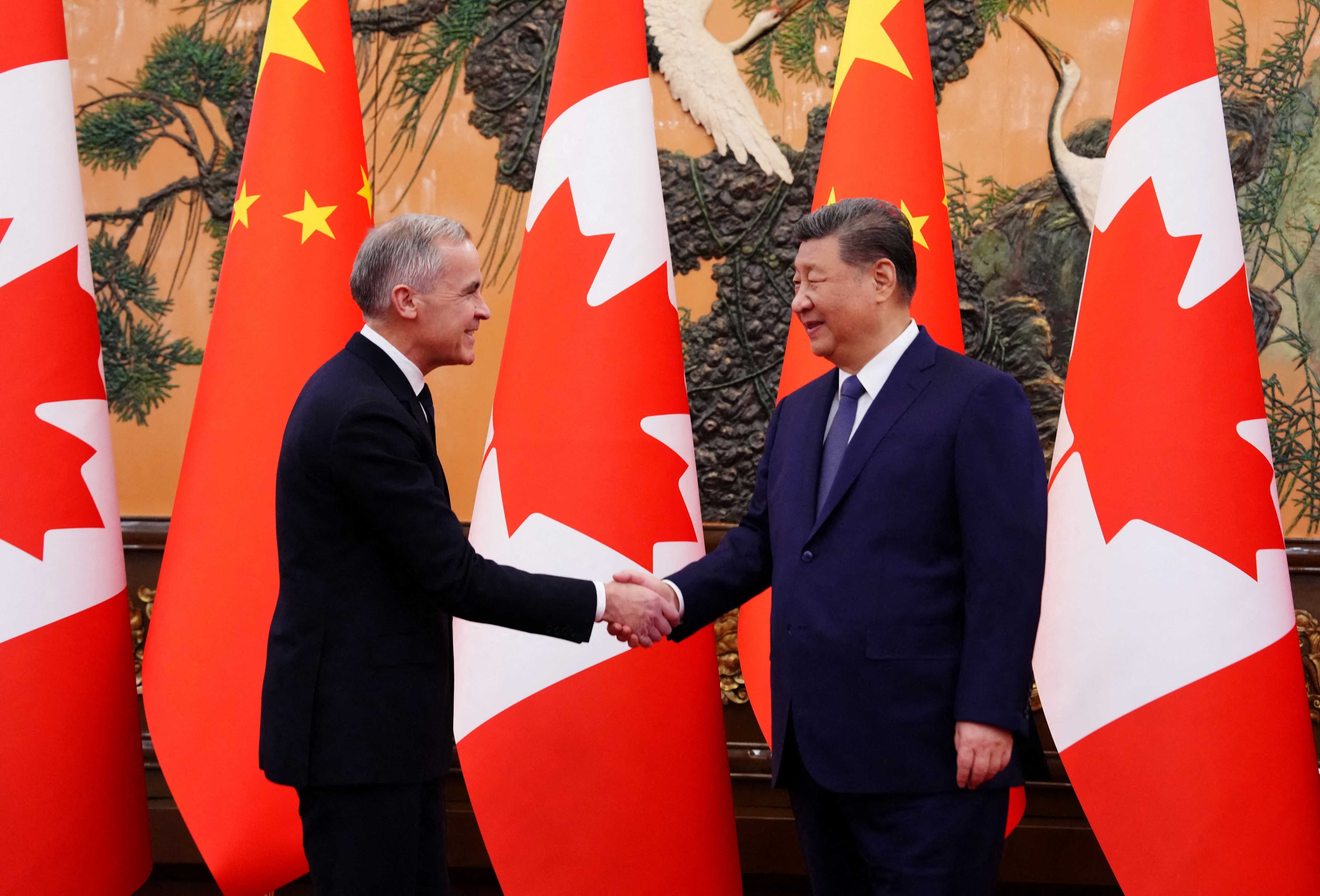
Now, according to the Associated Press (AP), tensions between Trump and Canada are pushing Carney closer to Mainland China.
AP journalists Ken Moritsugu and Rob Gillies, in an article published on Friday, January 16, report, "Breaking with the United States, Canada has agreed to cut its 100% tariff on Chinese electric cars in return for lower tariffs on Canadian farm products, Prime Minister Mark Carney said Friday. Carney made the announcement after two days of meetings with Chinese leaders. He said there would be an initial annual cap of 49,000 vehicles on Chinese EV exports to Canada, growing to about 70,000 over five years. China will reduce its total tariff on canola seeds, a major Canadian export, from 84 percent to about 15 percent, he told reporters."
At a press conference, Carney explained, "Our relationship has progressed in recent months with China. It is more predictable, and you see results coming from that."
Canada's new arrangement with China is generating a lot of reactions on X, formerly Twitter.
Bloomberg News' Joe Weisenthal, tweeting AP's article, commented, "Wow there it is."
Tech reporter Eric Okafor tweeted images of a car and posted, "D---! Canadians about to enjoy this baby without breaking the bank."
Television journalist Brian Fantana posted, "I hope Canada know what they are doing… look how it turned out for Europe… they are banning Chinese evs and cars!"
Jeanette Sautnert, Canadian ambassador to Lithuania, described the new arrangement as "excellent news" for Canada, adding, "Canadian agricultural products to be tariff free in China Reduction on tariffs from 100% To 6.1% for Chinese EVs."
Politico's Adam Wren noted the effect Trump's tariffs are having in a border state: Michigan, posting, "Trump’s signature tariffs are still roiling one of the most closely watched midterm states in 2026. I went to the Detroit Auto Show, where the Trump administration is dispatching three Cabinet members tomorrow, and wrote about the tension between tariffs and affordability."
Investor David Lee tweeted, "Mark Carney: Canada will allow up to 49,000 Chinese EV into Canadian market at 6.1% tariff rate Canadians can now enjoy low cost high value Chinese EV This is massive for Canadian auto market China is also opening up market for Canadian agricultural products including canola seed."